In the contemporary manufacturing landscape, the end-of-line packaging stage stands as a critical determinant of total operational throughput and supply chain resilience. As global distribution networks transition toward ultra-responsive fulfillment models, traditional manual palletizing methods present significant operational bottlenecks, high injury rates, and variable output quality. To address these inefficiencies, modern industrial operators are turning to high-throughput, integrated automated palletizing systems.
China's manufacturing sector has undergone a profound structural shift, evolving from simple hardware assembly to state-of-the-art robotic system integration. Today, premium Chinese wholesale palletizing systems offer a compelling convergence of high payload capabilities, advanced visual sensing, and complex kinematics at a total cost of ownership (TCO) that represents a massive optimization step for international buyers. This whitepaper analyzes how strategic deployments of these systems, backed by established manufacturers like Guangzhou Seltrion Packaging Co., Ltd., are reshaping factory logistics globally.
The worldwide market for automated material handling and robotic palletizing systems is experiencing a historic compound annual growth rate (CAGR), driven by chronic labor shortages in Western Europe and North America, combined with the explosive rise of e-commerce and rapid-delivery models. In sectors ranging from food and beverage to chemical manufacturing, companies are forced to maximize floor density while securing workplace safety compliance (such as OSHA and EU OSHA standards).
Palletizing has transitioned from simple mechanical stacking to complex Cartesian, gantry, and multi-axis articulated robotic arm interventions. Modern supply chains demand systems that can adapt dynamically to multiple SKUs, fragile packaging substrates, and intricate interlocking stacking configurations. In this environment, modularity and software-defined control architectures have become standard requirements for procurement departments seeking long-term resilience.
Selecting a Chinese exporter for industrial automation equipment is no longer solely a decision based on capital expenditure savings. Instead, it is a strategic move to leverage unmatched manufacturing ecosystem velocities and vertical supply chain integrations. Located in industrial centers like Guangzhou, specialized manufacturers capitalize on complete component supply chains, ensuring rapid deployment and agile customization processes.
By combining highly localized components with leading international hardware (such as Siemens PLCs, SMC Pneumatics, and SEW-Eurodrive motors), Chinese suppliers provide world-class systems with a 30% to 50% lower initial acquisition cost compared to European alternatives.
With in-house R&D centers and extensive industrial clustering in regions like Guangzhou, custom gripper engineering, layer pattern trials, and simulation testing can be completed in a fraction of standard lead times.
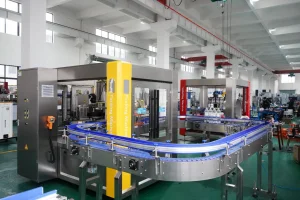
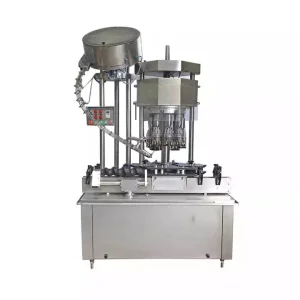
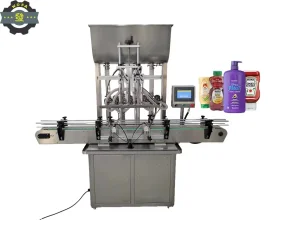
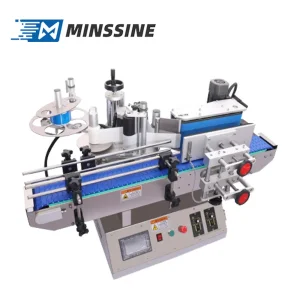
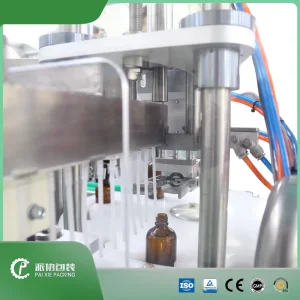
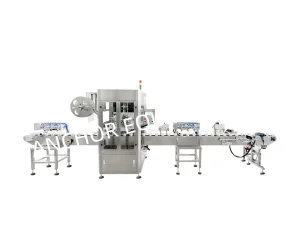
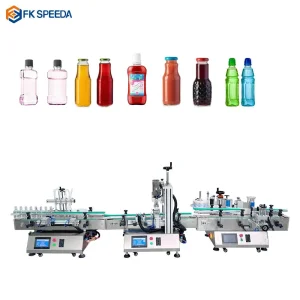
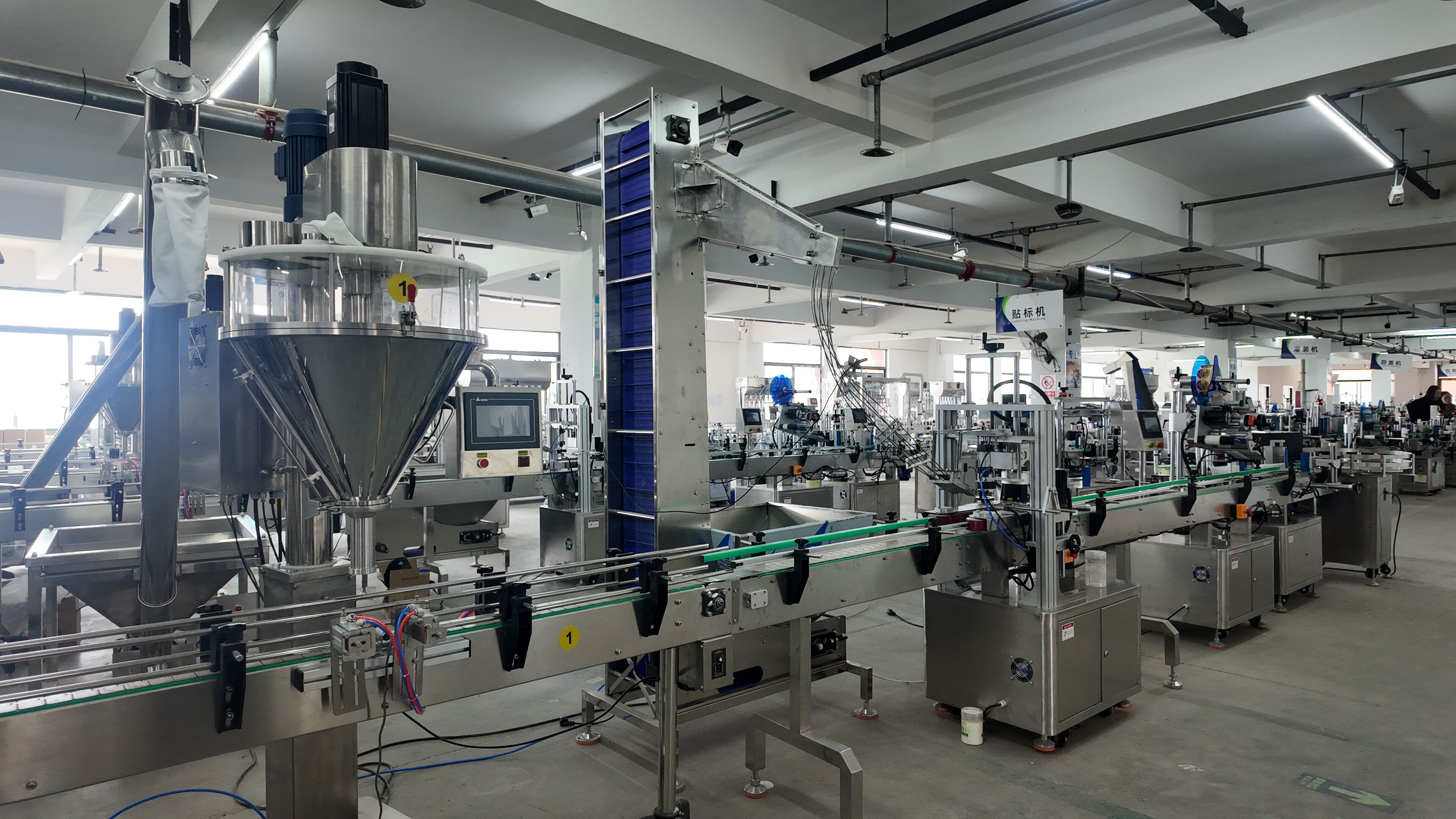
Chinese suppliers excel at building turnkey systems that connect the entire end-of-line process: linking filling, capping, labeling, shrink wrapping, and final robotic stacking into a unified, high-speed automated flow.
Modern wholesale palletizing systems are highly adaptable, with configurations tailored to the precise mechanical and sanitary requirements of different target sectors:
In high-throughput beverage plants, systems must operate continuously while handling heavy, moisture-laden crates or shrink-wrapped trays. Stainless steel frame constructions, washdown-grade vacuum end-of-arm tooling (EoAT), and specialized slip-sheet dispensers ensure robust hygienic compliance and minimal drop failure rates.
For pharmaceutical applications, containment, trace-level sanitization, and gentle product handling are vital. Palletizers in this space are designed for cleanrooms, featuring non-outgassing components, clean-in-place configurations, and precise 3D vision cameras to handle delicate carton arrays without scuffing product packages.
Handling chemical bulk bags, drums, and heavy containers requires high payload capabilities. Heavy-duty gantry systems and collaborative robots (cobots) with pneumatic claw grippers ensure secure handling. Ex-proof (explosion-proof) configurations are regularly integrated to meet ATEX standards for hazardous chemical environments.
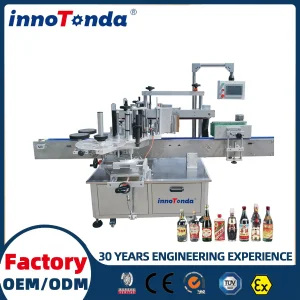
The cosmetics sector demands extreme agility due to diverse container geometries (e.g., flat, oval, and tapered bottles). Integrating high-speed double-sided labeling systems with dynamic palletizing units allows operators to run mixed-SKU batches, adapting to changes in product designs without structural line retrofits.
The palletizing sector is moving away from static hard-automation schemes toward intelligent, dynamic robotics. Modern industrial plants now demand technologies that can adapt to changing operational requirements with minimal human intervention.
AI 3D Vision Systems: Real-time vision guided systems, featuring high-speed hardware like Cognex industrial cameras, allow robotic palletizers to dynamically adapt to shifting box orientations, recognize damaged packages, and perform precise sorting and depalletizing on mixed lines.
Collaborative Robotics (Cobots): Cobots are increasingly deployed alongside human operators on production floors. They operate without safety cages, utilizing advanced force-feedback sensors that halt operations immediately upon physical contact, ensuring a safe and flexible workspace.
IIoT Diagnostics & Green Energy: Smart energy recovery systems return dynamic braking power back to the grid, while IIoT modules monitor motor vibration and temperature, predicting mechanical wear before it leads to unscheduled production downtime.
When drafting a Request for Information (RFI) or Request for Proposal (RFP) for a wholesale palletizing supplier, procurement teams must look beyond the initial price tag. The following parameters should guide the selection of a long-term automation partner:
The system must support the heaviest anticipated product payload, including the weight of the gripper assembly, while maintaining high speeds across the entire work envelope.
Multi-functional grippers (such as mechanical clamping, vacuum suction, and magnetic plates) must allow the system to handle boxes, bags, and pallets without needing mechanical re-tooling.
For European and North American installations, systems must comply with CE, UL, or CSA standards. Safety features should include category 4 safety circuits, light curtains, and interlocking gates.
Furthermore, ensure the supplier provides robust remote troubleshooting access (such as VPN or cellular gateways). This allows their engineering team to assist with remote programming, cycle path adjustments, and software diagnostics without requiring on-site visits.
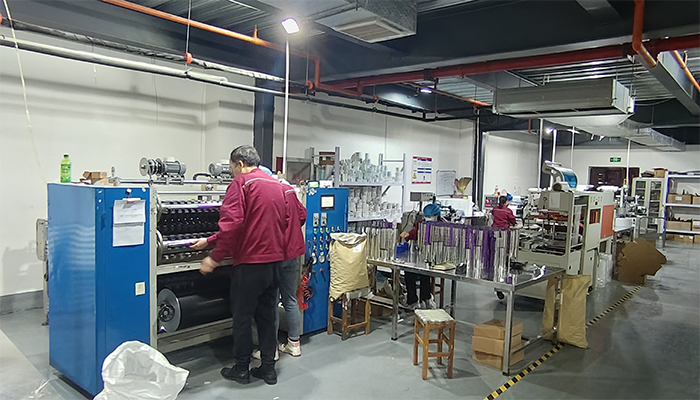
Guangzhou Seltrion Packaging Co., Ltd. is a professional packaging machinery manufacturer specializing in integrated solutions for labeling, filling, capping, sealing, and coding & marking systems. Located in Guangzhou, China, the company serves a wide range of industries including food and beverage, pharmaceuticals, cosmetics, chemicals, and daily consumer goods.
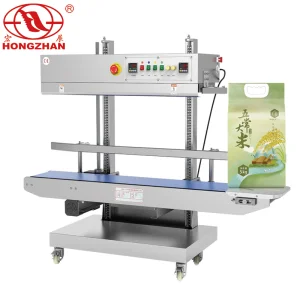
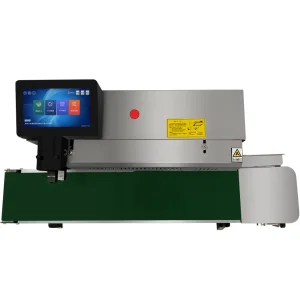
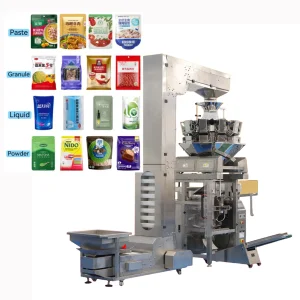
Seltrion offers a comprehensive portfolio of automated packaging equipment, including high-speed labeling machines, precision filling systems for liquids, powders, and pastes, reliable capping machines, and advanced sealing solutions. In addition, the company provides coding and marking systems to ensure clear product identification, traceability, and compliance with industry standards.
With a strong focus on innovation and efficiency, Seltrion integrates intelligent control systems and modular design to support flexible production lines and improve operational productivity. Its solutions are tailored to meet diverse customer requirements, from standalone machines to complete turnkey packaging lines.
Committed to quality and customer satisfaction, Guangzhou Seltrion Packaging Co., Ltd. adheres to strict manufacturing standards and provides full technical support, including system design, installation guidance, and after-sales service. The company aims to help global clients enhance packaging efficiency, reduce costs, and achieve consistent, high-quality production outcomes.
Get quick answers to common questions about automated end-of-line packaging lines, robotic palletizers, and procurement from Seltrion.
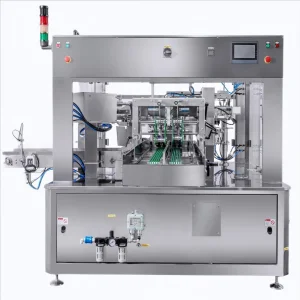
 Selltrion Packaging