Explore our elite production machinery tailored for end-to-end efficiency, strict compliance, and versatile integration.
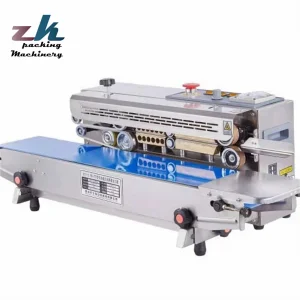
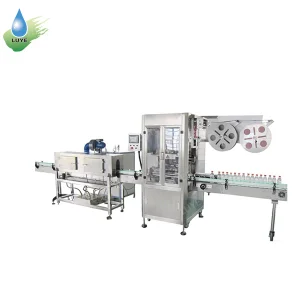
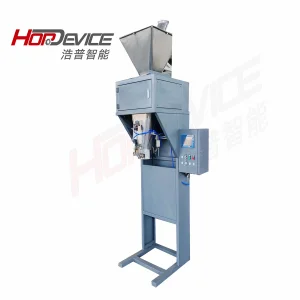
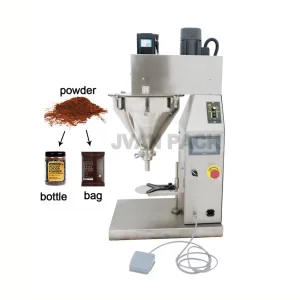
In the contemporary industrial packaging sector, the demand for efficiency, precision, and agility has escalated. Cartoning—the process of erecting, loading, and sealing cartons—represents the critical bridge between primary packaging (filling, capping, sealing) and tertiary logistics (palletizing and transport). As global manufacturing transitions towards cyber-physical systems, standard mechanical cartoners are being phased out in favor of intelligent, sensor-driven automatic cartoning machines.
Modern automatic cartoning lines are designed to eliminate human error, increase throughput, and ensure structural uniformity. A cartoning machine must handle diverse packaging formats, from cardboard boxes and tuck-in flaps to complex hot-melt glue systems. In industries such as pharmaceuticals, cosmetics, food, and consumer goods, the integrity of the secondary package acts as the first line of defense against ambient hazards and counterfeiting, while also serving as a major marketing touchpoint.
Utilizing multi-axis servo motors (such as those developed by Delta or Siemens), contemporary cartoners execute continuous-motion feeding, erecting, and insertion to minimize vibration and mechanical stress.
Stainless steel construction (SUS304/SUS316L) combined with strict dust mitigation mechanisms makes modern Chinese cartoners highly compatible with cleanroom environments.
Advanced toolless adjustment configurations reduce transition times between different box sizes from hours to under 15 minutes, significantly improving overall equipment effectiveness.
Procurement directors and packaging engineers in the European Union, North America, and Southeast Asia look for specific indicators of long-term reliability when sourcing high-speed automatic cartoning equipment. The emphasis has shifted from initial capital expenditure (CAPEX) to total cost of ownership (TCO) and operational adaptability.
Insertion Accuracy Rate
Toolless Format Changeover
Continuous Motion Output
Engineered Operational Lifecycle
China's packaging machinery sector has evolved from basic assembly to advanced technological innovation. Industrial clusters in regions like Guangdong, Zhejiang, and Jiangsu have established deep, localized supply chains that ensure component availability, engineering flexibility, and rapid delivery cycles.
The global dominance of Chinese cartoning machine manufacturers is built on structural advantages:
Furthermore, China's commitment to industrial modernization has accelerated the integration of AI-powered diagnostic suites. Modern cartoners feature remote diagnostic gateways, allowing engineers in China to troubleshoot PLC code, adjust timing sequences, and diagnose sensor issues for clients located anywhere in the world.
A pioneer in integrated automation, precision engineering, and complete turnkey packaging lines.
Guangzhou Seltrion Packaging Co., Ltd. is a professional packaging machinery manufacturer specializing in integrated solutions for labeling, filling, capping, sealing, and coding & marking systems. Located in Guangzhou, China, the company serves a wide range of industries including food and beverage, pharmaceuticals, cosmetics, chemicals, and daily consumer goods.
Seltrion offers a comprehensive portfolio of automated packaging equipment, including high-speed labeling machines, precision filling systems for liquids, powders, and pastes, reliable capping machines, and advanced sealing solutions. In addition, the company provides coding and marking systems to ensure clear product identification, traceability, and compliance with industry standards.
With a strong focus on innovation and efficiency, Seltrion integrates intelligent control systems and modular design to support flexible production lines and improve operational productivity. Its solutions are tailored to meet diverse customer requirements, from standalone machines to complete turnkey packaging lines.
Committed to quality and customer satisfaction, Guangzhou Seltrion Packaging Co., Ltd. adheres to strict manufacturing standards and provides full technical support, including system design, installation guidance, and after-sales service. The company aims to help global clients enhance packaging efficiency, reduce costs, and achieve consistent, high-quality production outcomes.
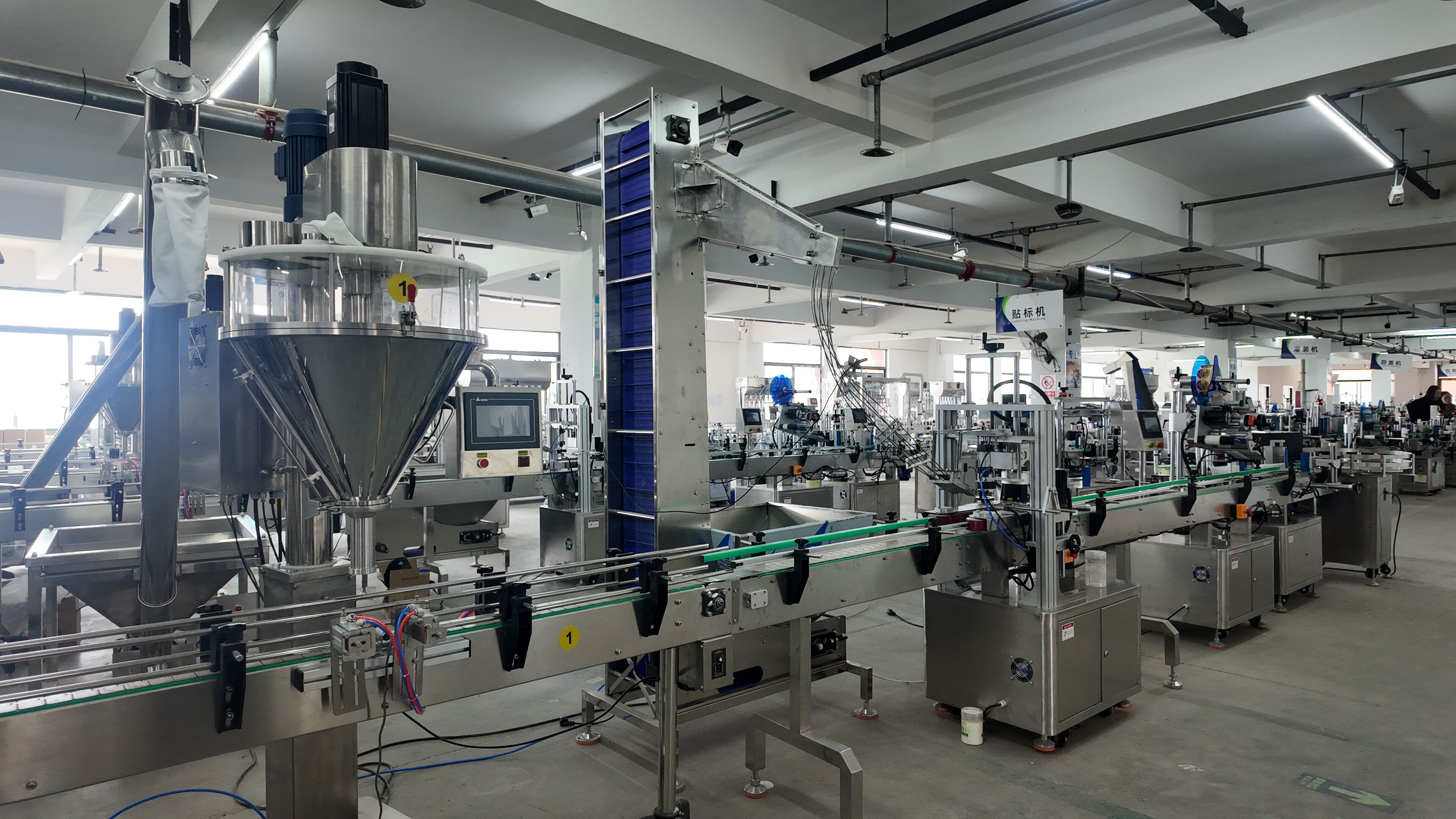
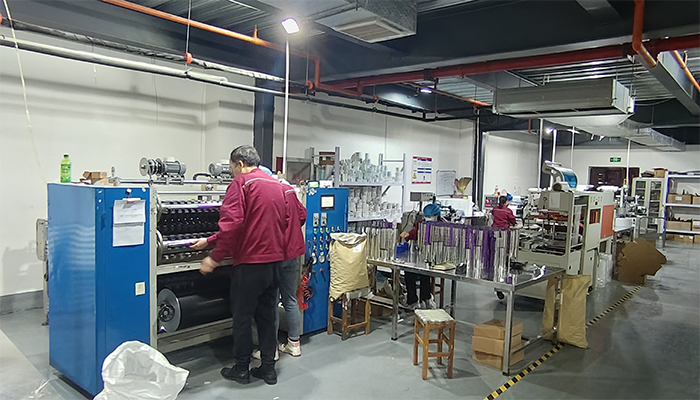
To understand why automatic cartoning machines are vital to modern packaging operations, we must analyze their mechanical and digital architecture. A professional-grade horizontal continuous cartoner operates through four key phases: feeding, opening, product insertion, and closing.
Using a rotary vacuum pick-and-place mechanism, the machine pulls flat-packed cartons from the storage magazine. The vacuum suction cups grip the carton on two adjacent sides, pulling it open. This process prevents jamming when dealing with warped, recycled, or slightly damp cardboard materials.
As products flow down the conveyor (whether they are pharmaceutical blisters, cosmetics tubes, or bottles), they must be cataloged and arranged. Simultaneously, a leaflet folder (like a GUK unit) folds instructions and inserts them next to the product. The synchronized movement is managed by PLC code that tracks each unit down the line, ensuring that if a product is missing, no carton is fed—saving material and reducing downtime.
This is the most critical mechanical step. A servo-driven push bar pushes the product and leaflet smoothly into the open carton. If the push bar encounters resistance, overload sensors instantly stop the machine to prevent product damage or mechanical failure. Once inserted, the carton moves to the sealing station.
Depending on the industry, sealing is performed using mechanical tuck-in systems (flaps inserted into slots) or a hot-melt glue applicator (such as a Nordson unit) that applies a precise bead of adhesive to the carton flaps before pressing them shut. Hot-melt sealing is often required for tamper-evidence and structural rigidity in heavy consumer goods.
Automatic cartoning machines must adapt to the unique requirements of the industries they serve. Below is an analysis of how cartoning technology is configured across different vertical markets:
In the pharmaceutical industry, cartoning machines must comply with FDA 21 CFR Part 11 and GMP guidelines. Carton shapes must remain consistent, leaflets must be fully integrated, and every carton must feature clear batch coding and serial numbers. The system must also include verification cameras to reject any package with missing leaflets or unreadable codes.
Food processing environments require washdown capabilities and moisture resistance. Carton erectors in these lines are typically constructed with high-grade stainless steel frames and sloped surfaces to prevent water pooling. They handle products like frozen foods, boxed cookies, pouch mixes, and coffee pods at high speeds, using food-grade hot-melt adhesives.
Cosmetics packaging focuses heavily on aesthetics. Premium perfume bottles, lotion tubes, and makeup compacts must be handled gently to prevent scratching or denting the outer packaging. Cartoning lines for cosmetics feature specialized plastic conveyors, rubber-coated pushers, and precise insertion sequences to protect the final product's presentation.
For items like laundry detergent pods, household cleaners, and industrial adhesives, cartoners must manage heavy loads and resist chemicals. The machinery uses robust frames, high-torque servo drives, and corrosion-resistant coatings to ensure reliability when handling abrasive powders or corrosive liquids.
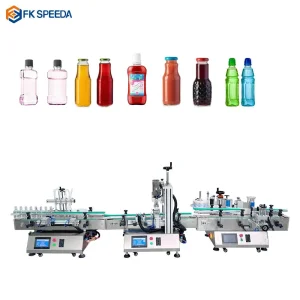
A cartoner does not operate in isolation. To maximize factory throughput, it must connect with upstream production lines and downstream shipping equipment. A fully integrated packaging line includes several interconnected systems:
Expert answers to common questions about selecting, integrating, and operating automatic cartoning systems.
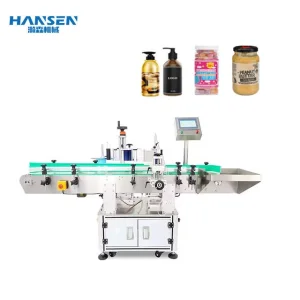
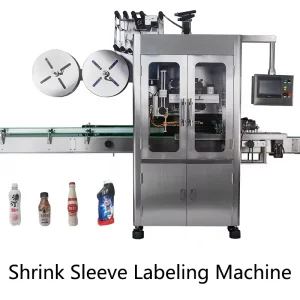
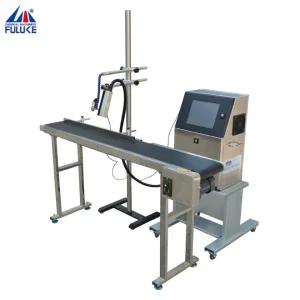
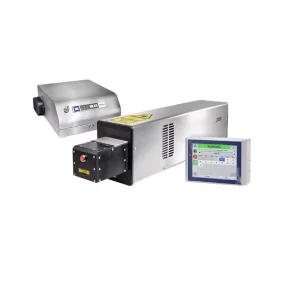
Discover our comprehensive collection of capping, labeling, printing, and sealing equipment designed for modern factories.
 Selltrion Packaging