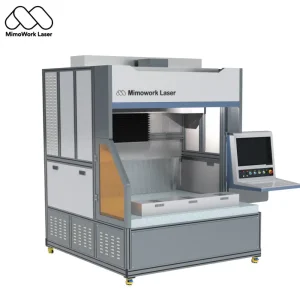
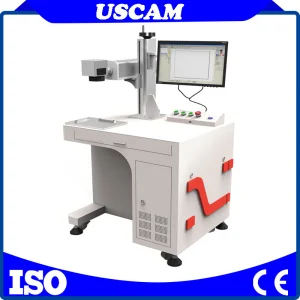
Engineered for high-speed line integration, extreme environmental durability, and compliance with SACU manufacturing standards.
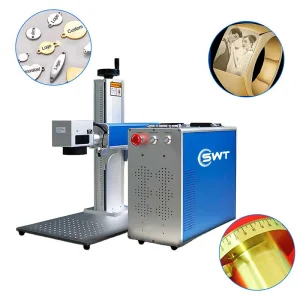
As the administrative hub of Eswatini and a vital link to the Southern African Customs Union (SACU) trade infrastructure, Mbabane—along with its nearby industrial powerhouse, the Matsapha Industrial Estate—is undergoing a rapid technological modernization. Global manufacturing shifts, coupled with the expansion of the African Continental Free Trade Area (AfCFTA), demand unprecedented levels of product batch tracking, anti-counterfeiting serialization, and permanent component coding.
Factories operating within the Mbabane economic corridor require robust, zero-consumable coding solutions capable of withstanding local environmental factors such as high altitude variations, seasonal humidity, and localized power grid fluctuations. Traditional ink-jet printers (CIJ) are increasingly being phased out across Eswatini's food processing, beverage bottling, commercial forestry, and light metallurgical manufacturing sectors due to recurring fluid costs, nozzle clogging, and environmental disposal compliance issues.
Direct Laser Part Marking (DPM) technology has emerged as the definitive benchmark for local exporters seeking zero-downtime operations, high optical clarity for 2D DataMatrix codes, and compliance with international ISO 9001 and GS1 traceability mandates.
Key drivers forcing transition to laser marking tech in the Mbabane commercial region:
Understanding the optical energy interaction on target substrates is critical to selecting the optimal machine architecture for Mbabane manufacturing facilities.
Utilizing ytterbium-doped optical fibers pumped by laser diodes, fiber lasers represent the apex solution for high-contrast metal etching, stainless steel annealing, and high-density plastic marking. Available in standard Q-switched modules or advanced MOPA (Master Oscillator Power Amplifier) architecture allowing pulse duration adjustment from 2ns to 500ns for controlled thermal input.
Designed for organic and non-metallic substrates, sealed radio-frequency CO2 lasers generate high infrared wavelengths ideal for timber marking, paper packaging, glass etching, and synthetic fabrics. High power variants (up to 350W) with 3D dynamic galvo focal systems allow rapid surface profiling over expansive 3D curved surfaces.
By employing third-harmonic generation (THG) frequency tripling, UV lasers deliver high-energy photons that break molecular bonds directly without micro-thermal destruction ("cold processing"). Vital for heat-sensitive electronic packaging, medical devices, and ultra-high-density HDPE/PPR pipe marking in municipal water infrastructure projects.
Tailored laser integration frameworks providing definitive information gain for local factory managers and global procurement executives.
Eswatini’s economic output is significantly driven by major commercial beverage operations and agricultural processing. Industrial CO2 and UV laser markers are seamlessly integrated into dynamic bottling lines running up to 60,000 bottles per hour.
Laser coding directly etches precise expiration dates, matrix lot numbers, and anti-counterfeiting identification onto PET bottles, coated cardboard cartons, and anodized aluminum caps without risk of ink smearing or thermal bottle degradation under high-humidity production environments.
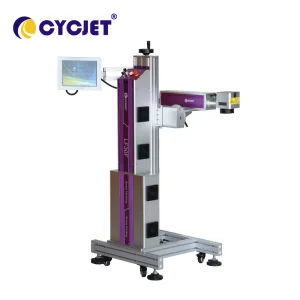
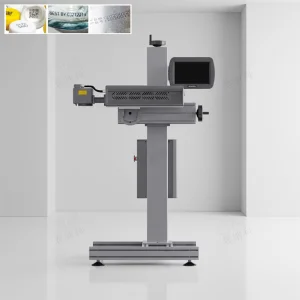
Infrastructure construction across the Mbabane urban area and regional developmental corridors relies on durable continuous extrusions. High-speed flying laser marking machines (such as the Cycjet LF30F series) burn high-resolution length markers, stress ratings, and corporate logos onto moving plastic extrusions.
Unlike thermal transfer printing, non-contact laser marking ensures zero physical resistance on warm plastic pipes exiting the cooling baths, preventing extrusion deformation while guaranteeing permanent weather-resistant marks.
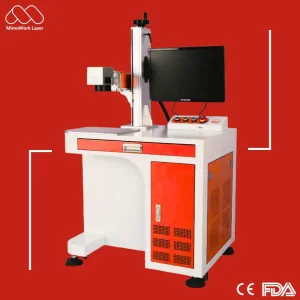
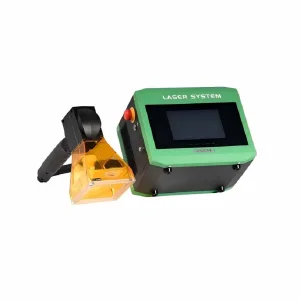
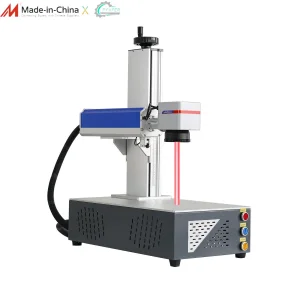
Southern Africa’s expanding automotive assembly network demands deep, unalterable component serialization. Handheld and desktop fiber laser markers allow factory technicians to etch VIN numbers, engine code specifications, and QR codes into hardened carbon steel, cast iron, and aluminum engine blocks.
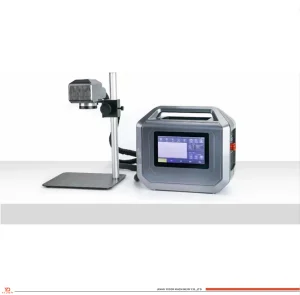
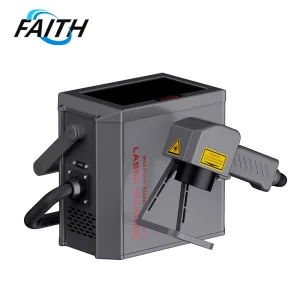
Portable handheld units enable operators to perform direct marking on massive rubber tires, heavy casting molds, and structural steel beams directly on the factory floor in Mbabane without demanding complex part movement workcells.
Eswatini's specialized metallurgical and precious metal crafting industries leverage MOPA fiber laser systems for precise hallmarking, micro-engraving, and deep cutting of gold, silver, brass, and titanium.
Variable pulse frequency control prevents material oxidation and minimizes post-process surface polishing requirements, empowering local jewelers and industrial engravers to meet exacting international luxury standards.
Direct Factory OEM/ODM Infrastructure Partnering with Mbabane Exporters
Guangzhou Seltrion Packaging Co., Ltd. is a professional packaging machinery manufacturer specializing in integrated solutions for labeling, filling, capping, sealing, and coding & marking systems. Located in Guangzhou, China, the company serves a wide range of industries including food and beverage, pharmaceuticals, cosmetics, chemicals, and daily consumer goods.
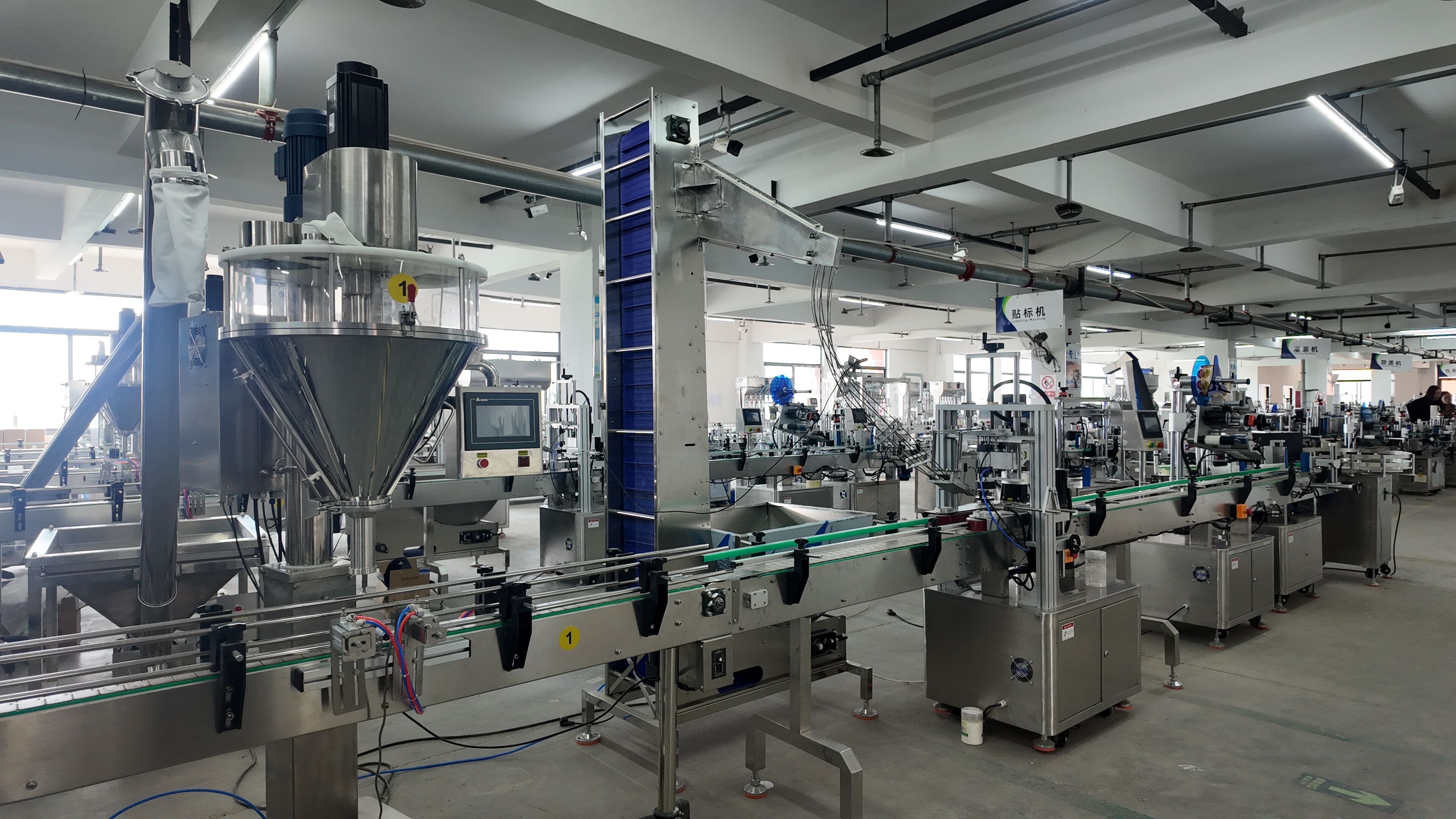
Seltrion offers a comprehensive portfolio of automated packaging equipment, including high-speed labeling machines, precision filling systems for liquids, powders, and pastes, reliable capping machines, and advanced sealing solutions. In addition, the company provides coding and marking systems to ensure clear product identification, traceability, and compliance with industry standards.
With a strong focus on innovation and efficiency, Seltrion integrates intelligent control systems and modular design to support flexible production lines and improve operational productivity. Its solutions are tailored to meet diverse customer requirements, from standalone machines to complete turnkey packaging lines.
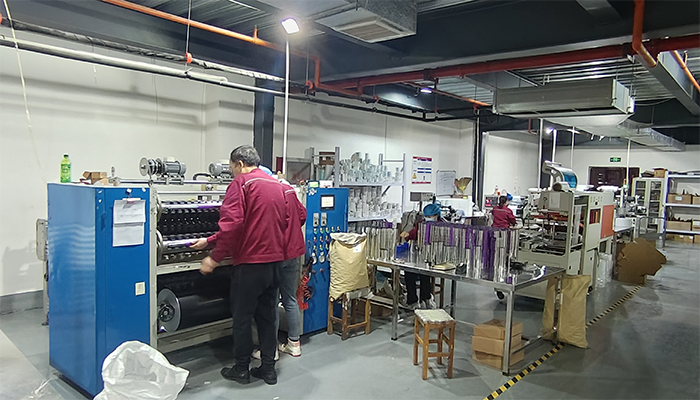
Committed to quality and customer satisfaction, Guangzhou Seltrion Packaging Co., Ltd. adheres to strict manufacturing standards and provides full technical support, including system design, installation guidance, and after-sales service. The company aims to help global clients enhance packaging efficiency, reduce costs, and achieve consistent, high-quality production outcomes.
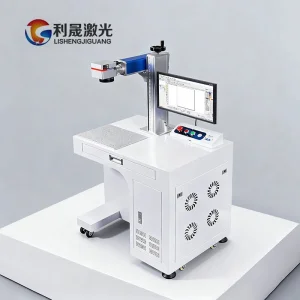
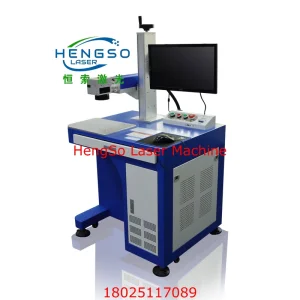
Inquire for Turnkey Industrial Projects in MbabaneExplore our extended portfolio of CNC, Fiber, CO2, MOPA, and Portable laser marking systems engineered for global exporting standards.
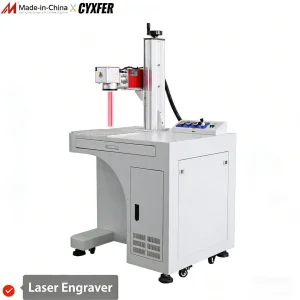
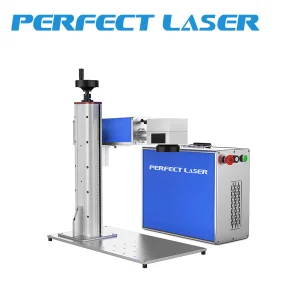
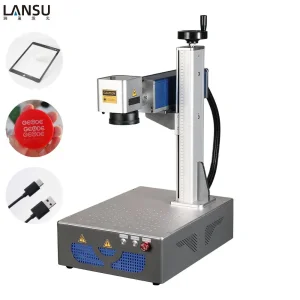
Key structural evaluations for engineering leaders procuring photonic capital equipment in Eswatini.
When evaluating marking systems in Mbabane, industrial buyers must account for electricity consumption, consumable fluids, maintenance downtime, and regulatory compliance. Direct laser marking eliminates ink solvents, filters, and printhead replacements associated with legacy systems.
Operating at an average power consumption of under 500 Watts for a standard 30W Fiber Laser, total annual operating costs are drastically lower than continuous ink jet systems, achieving full capital payback within 8 to 14 months of high-volume industrial operation.
Electrical infrastructure in Southern Africa often experiences voltage transients and load fluctuations. Guangzhou Seltrion equips all export-grade laser marking machines with integrated wide-voltage stabilization transformers (220V ±15% 50Hz) and industrial EMI filters.
Internal optical components and high-speed digital galvanometers are isolated against electrical surge interference, ensuring consistent laser spot quality and zero software corruption during industrial grid shifts.
Expert technical insights regarding machine installation, optical tuning, and export logistics for the Mbabane market.
For anodized aluminum and general metals, a 1064nm Ytterbium Fiber Laser (standard or MOPA) provides ideal photon absorption, generating sharp white or black high-contrast marks. For PPR, HDPE, or PVC pipe extrusions, a 355nm UV laser or a high-speed CO2 laser (10.6μm) is recommended to prevent thermal deformation and ensure rapid surface reaction at high line speeds.
Shipments are dispatched via sea freight to the port of Maputo (Mozambique) or Durban (South Africa), followed by bonded overland freight transport direct to industrial sites in Mbabane or the Matsapha Industrial Zone. Air express delivery via King Mswati III International Airport is available for compact handheld units and emergency spare components.
Q-switched fiber lasers have a fixed pulse duration (typically 100ns to 120ns), restricting fine pulse tuning. MOPA (Master Oscillator Power Amplifier) lasers allow independent control of pulse duration (from 2ns to 500ns) and frequency (up to 4000kHz). This flexibility enables dark black marking on anodized aluminum, true color marking on stainless steel, and damage-free etching on delicate plastics.
All machines are pre-calibrated, optic-aligned, and burn-in tested for 48 hours prior to export packaging. Systems arrive fully plug-and-play. Remote online engineering setup and video-guided operational training are provided directly by Guangzhou Seltrion's technical engineering department.
Laser marking machines feature zero consumable components. Routine maintenance involves keeping the optical F-Theta field lens clean using isopropyl alcohol wipes and periodically inspecting the air cooling filter screen to prevent ambient dust build-up in high-duty factory environments.
Partner with Guangzhou Seltrion Packaging Co., Ltd. for direct manufacturer pricing, customized engineering support, and reliable export fulfillment to the Mbabane market.
Send Inquiry Now Selltrion Packaging