Discover our primary lineup of automated packaging solutions engineered to enhance throughput, reduce operational bottlenecks, and maintain consistency.
A professional overview of market evolutions, technical parameters, and optimization vectors driving modern industrial packaging lines.
The transition from single-purpose hardware to plug-and-play modular architectures allows fast changeovers across varying bottle volumes and closure geometries.
Integration of HMI Touch Panels and cloud-linked diagnostic modules allows factories to track real-time machine uptime and flag wear on mechanical parts.
Modern pharmaceutical and beverage fillers leverage non-contact induction sealing and SUS316L stainless steel configurations to comply with FDA and cGMP standards.
Historically, shifting production from a 60ml energy drink bottle to a 500ml juice bottle required extensive line dismantling and up to eight hours of mechanical recalibration. Modern manufacturers resolve this limitation using servo-driven indexing systems, tool-less quick-change parts, and recipes stored directly in the HMI software. Throughput optimization is no longer simply about rotational velocity; it is measured in the reduction of micro-stops and setup cycle time.
Furthermore, precision dosing mechanism improvements have minimized product giveaway. Positive displacement pump systems and net weight filling structures, monitored by closed-loop feedback systems, ensure that products are filled within a ±0.5% margin of target volume. This precision saves thousands of liters of premium raw product annually for medium-to-large scale processing installations.
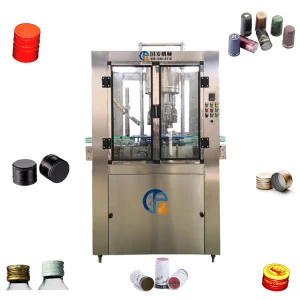
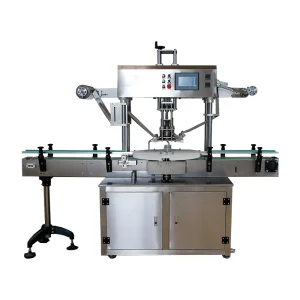
Capping is often the most mechanically complex phase in the automated line. Insufficient capping torque causes fluid leakage and oxidation, while excessive force strips threads and damages closures. Modern magnetic hysteresis and servo-controlled capping heads maintain stable tightening torque despite variations in plastic density or thread height. This provides consistent seal integrity across millions of cycles, reducing quality rejection rates to near-zero levels.
For operations directors and engineering teams sourcing automated filling and capping lines, mechanical durability is only one component of procurement success. True efficiency requires looking at the total cost of ownership (TCO) and system compatibility.
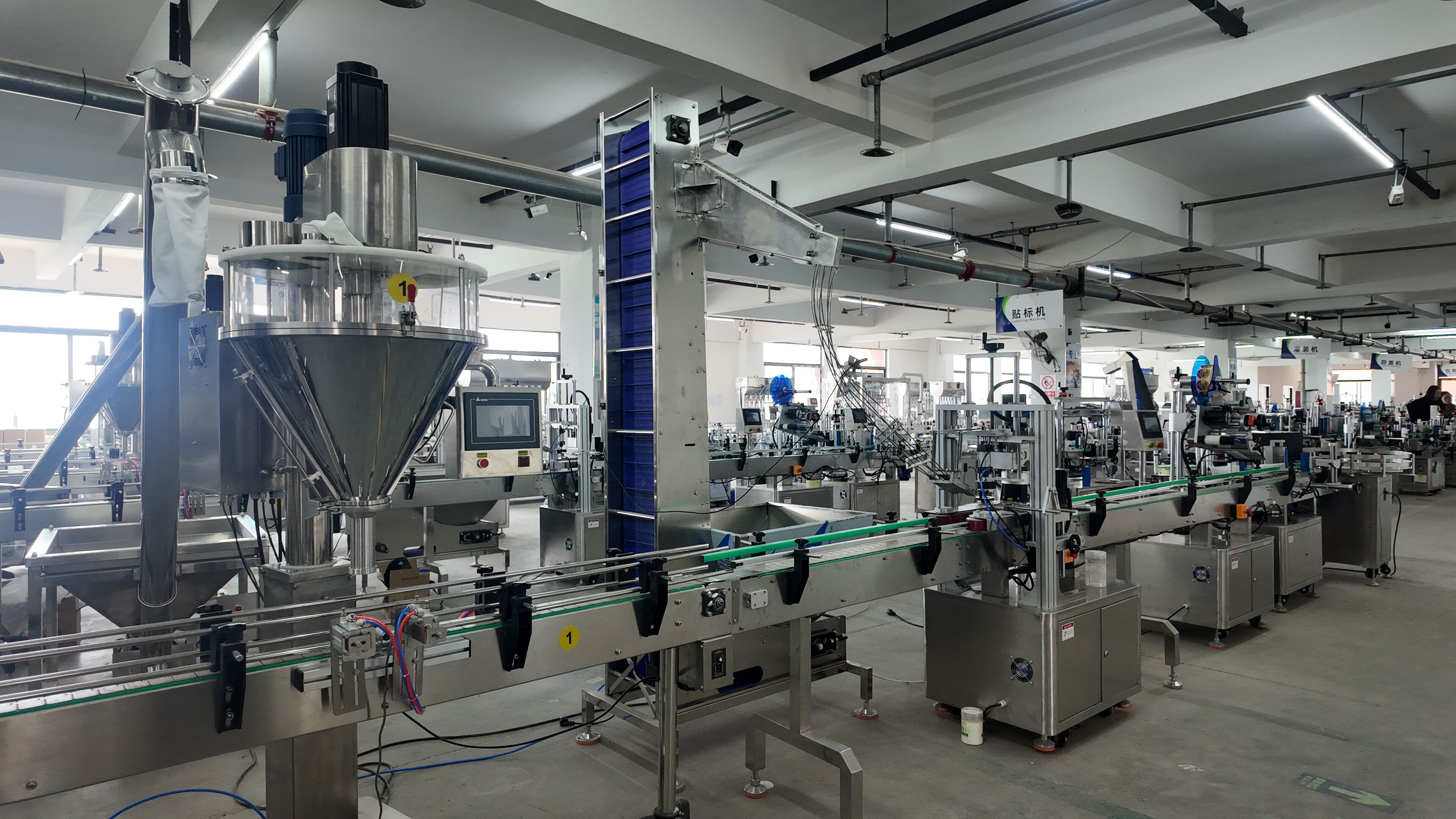
Sourcing packaging machinery from China has evolved beyond simple unit-cost savings. The modern Chinese industrial ecosystem, particularly in southern manufacturing hubs like Guangzhou, offers complete supply chain resilience, advanced R&D talent, and quick design-to-delivery turnarounds.
At Guangzhou Seltrion Packaging, we leverage localized ecosystems to source high-grade raw metals, precision gears, and robust pneumatic assemblies. This close proximity ensures shorter production cycles and allows for rapid customization. When an overseas facility requests custom modifications to run a unique bottle shape or specialized cap geometry, our engineering team can prototype, machine, program, and validate the assembly much faster than suppliers in regions with fragmented supply chains.
To ensure global compatibility, our designs integrate mechanical and electrical components from recognized global automation brands, including:
This hybrid engineering approach combines Chinese manufacturing speed and cost-efficiency with high-end, universally accessible parts. The result is a robust system that can be easily maintained by local technicians anywhere in the world.
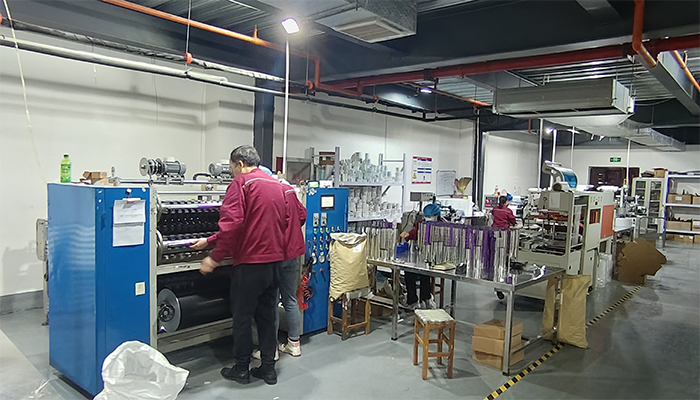
Guangzhou Seltrion Packaging Co., Ltd. is a professional packaging machinery manufacturer specializing in integrated solutions for labeling, filling, capping, sealing, and coding & marking systems. Located in Guangzhou, China, the company serves a wide range of industries including food and beverage, pharmaceuticals, cosmetics, chemicals, and daily consumer goods.
Seltrion offers a comprehensive portfolio of automated packaging equipment, including high-speed labeling machines, precision filling systems for liquids, powders, and pastes, reliable capping machines, and advanced sealing solutions. In addition, the company provides coding and marking systems to ensure clear product identification, traceability, and compliance with industry standards.
With a strong focus on innovation and efficiency, Seltrion integrates intelligent control systems and modular design to support flexible production lines and improve operational productivity. Its solutions are tailored to meet diverse customer requirements, from standalone machines to complete turnkey packaging lines.
Committed to quality and customer satisfaction, Guangzhou Seltrion Packaging Co., Ltd. adheres to strict manufacturing standards and provides full technical support, including system design, installation guidance, and after-sales service. The company aims to help global clients enhance packaging efficiency, reduce costs, and achieve consistent, high-quality production outcomes.
Different production environments present unique challenges that standard off-the-shelf packaging machinery cannot always address. Here is how we customize configurations for different target applications:
For injectable products, liquid suspensions, and tablet production, our machines utilize non-contact servo filling, HEPA filter laminar flow hoods, and mirror-polished stainless steel surfaces to comply with aseptic processing standards.
Lines processing bleach, acids, or agricultural chemicals replace traditional metallic components with anti-corrosive plastics (like PVC or PP) and use sealed electrical enclosures to prevent chemical wear.
Creams, hair gels, and laundry detergents require jacketed heating hoppers, rotary valves, and positive-displacement piston fillers to maintain flow and eliminate dripping or tailing.
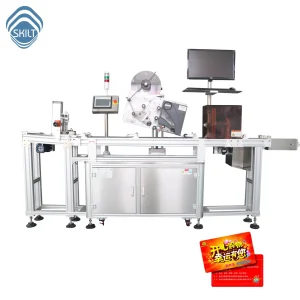
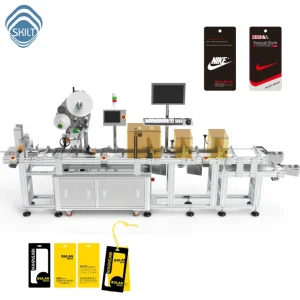
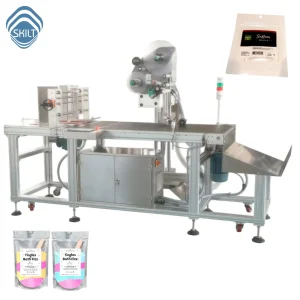
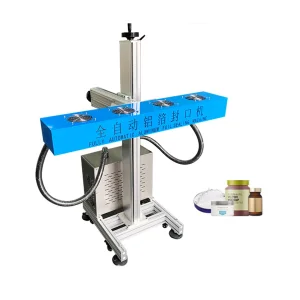
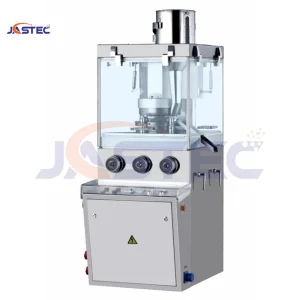
Explore our specialized labeling, capping, sealing, and material handling systems for downstream processing.
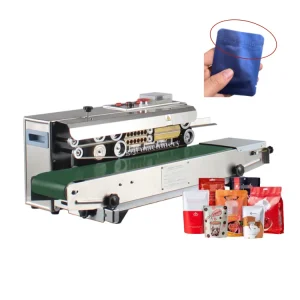
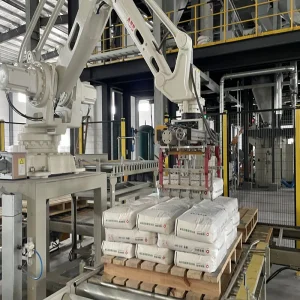
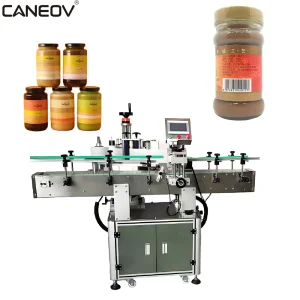
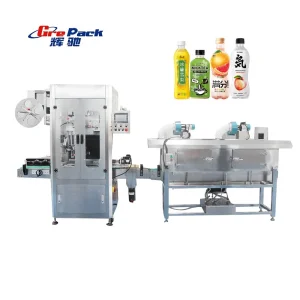
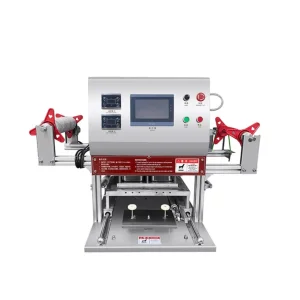
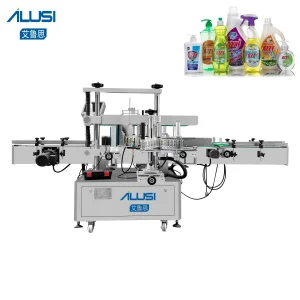
Answers to key technical questions from manufacturing directors and system integrators regarding filling and capping systems.
The ideal filling technology depends on the product's viscosity. Free-flowing liquids like water, energy drinks, and alcohol are typically processed using gravity, overflow, or flow-meter fillers. Semi-viscous liquids, including cosmetics, lotions, and laundry detergents, require piston fillers driven by servo motors or rotary pump fillers. High-viscosity products like pastes and heavy adhesives require positive displacement pumps and jacketed heated hoppers to maintain flow and dosing accuracy.
For threaded caps, magnetic hysteresis capping heads or servo-driven capping spindles provide the most reliable torque control. Unlike mechanical friction clutch caps which can vary with speed and wear, magnetic hysteresis clutches apply a consistent, adjustable torque profile. This prevents cap stripping and ensures containers are sealed to exact specifications to prevent leaks during shipment.
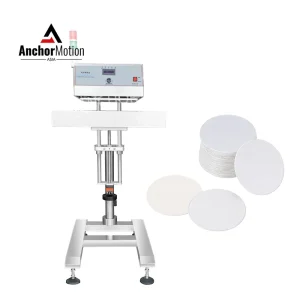
Electromagnetic induction sealing is a non-contact method. Once a bottle is capped (with an aluminum foil liner inside the cap), it passes under an induction field that heats the foil, melting the polymer sealant onto the lip of the bottle. Conduction sealing requires physical contact with hot sealing elements. Induction sealing is much faster, operates at higher line speeds, and is ideal for high-throughput lines handling food, beverages, and pharmaceuticals.
Generally, labeling flat pouches requires a flatbed labeler with a paging feeder to separate and feed empty bags individually. Round bottles require a rotary or wrap-around labeling system. To handle both, plants can invest in a modular labeling base unit with interchangeable applicator heads, or run dedicated, specialized labeling lines.
Seltrion provides complete technical support, including customized layouts, electrical schematics, installation videos, and on-site engineering commissioning when required. By integrating IoT-enabled PLC controllers, our engineering team can remotely analyze machine diagnostics, modify software programs, and assist your plant engineers in troubleshooting without requiring travel.
 Selltrion Packaging