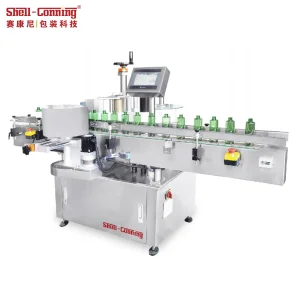
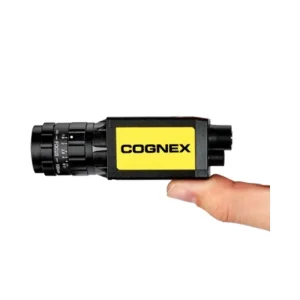
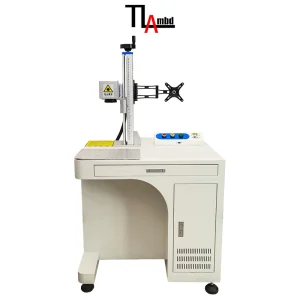
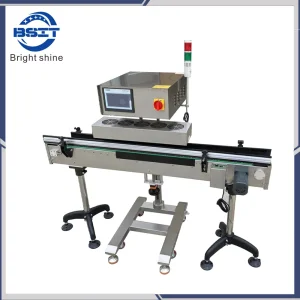
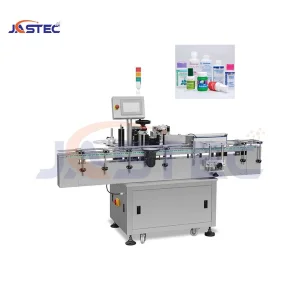
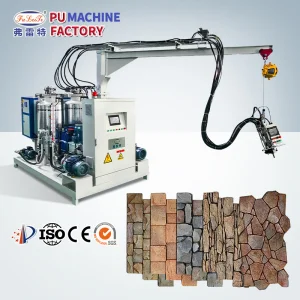
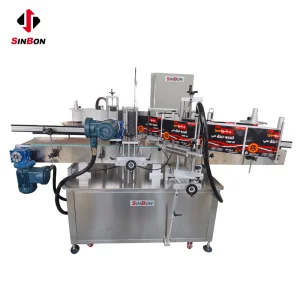
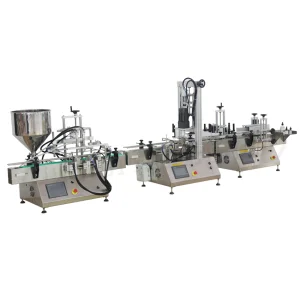
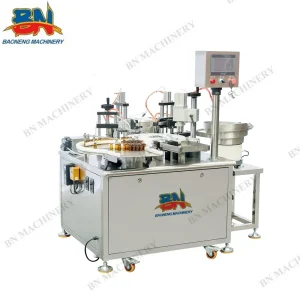
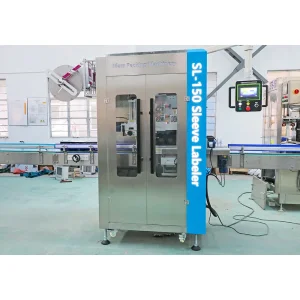
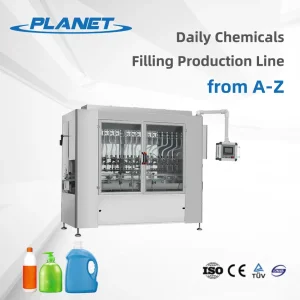
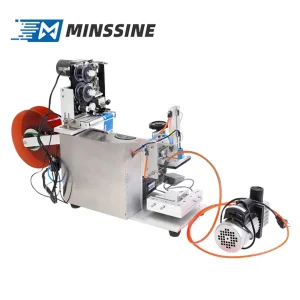
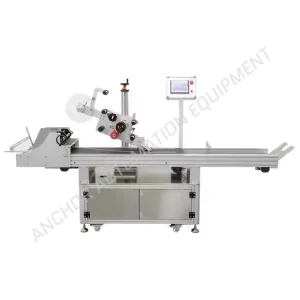
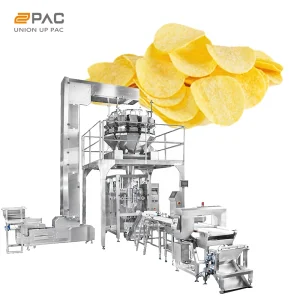
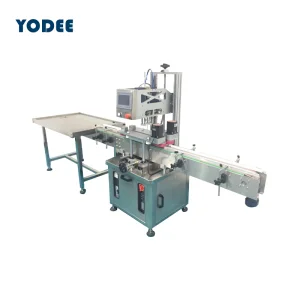
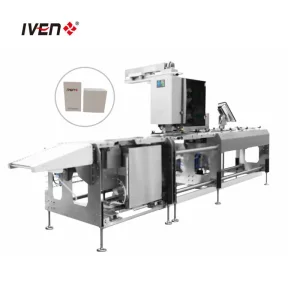
Explore eight representative systems from a broader automatic labeling, filling, capping, sealing, and packaging machinery portfolio. These machines illustrate how labeling-line sourcing decisions connect to bottle handling, product format, line speed, traceability, and downstream packaging integration.
China’s packaging equipment ecosystem has evolved from a source of low-cost machines into a deeply integrated engineering and manufacturing network. For global buyers, the strongest automatic labeling line factories are not simply factories with competitive quotations. They are system integrators that can demonstrate mechanical design discipline, servo motion expertise, component traceability, label-material validation, changeover flexibility, compliance awareness, and documented factory acceptance testing.
The procurement decision is especially important because a labeling line sits at the intersection of product appearance, regulatory compliance, production throughput, and brand trust. A misaligned label, unstable bottle handling, incorrect date code, or unplanned changeover delay affects far more than the cost of a machine. It can create line downtime, rework, retail rejection, and delayed shipment. A reliable supplier therefore needs to be evaluated through engineering evidence, not brochure claims alone.
This guide is structured for procurement managers, production engineers, packaging development teams, and private-label brand owners comparing China automatic labeling line suppliers. It prioritizes verifiable manufacturing practices, practical line-engineering criteria, localized application scenarios, and transparent risk controls. The aim is to help buyers distinguish a capable exporter from a true packaging-line partner that supports installation, training, spare parts, documentation, and long-term productivity.
An automatic labeling line is a synchronized production cell that combines product feeding, orientation, conveyor transport, label dispensing, product detection, application pressure, inspection, and rejection. Depending on the product and label format, the line may use wrap-around labeling, flat labeling, top-and-bottom labeling, corner labeling, shrink-sleeve labeling, or a hybrid configuration. The correct architecture is determined by bottle geometry, label material, target speed, tolerance requirements, and the downstream packaging process.
In high-speed beverage production, for example, round bottles often require star-wheel positioning and servo-driven wrap-around stations to control the label seam and appearance. In pharmaceutical packaging, the line may prioritize GMP-compatible materials, audit trails, vision verification, and serialization readiness. In cosmetics, the labeling line may need delicate handling for glossy surfaces, small containers, and premium finish expectations. These differences explain why a factory’s ability to customize handling, recipes, and inspection logic matters more than a generic speed rating.
Servo label dispensing, sensor triggering, applicator geometry, and tension control determine label accuracy. The line design must match label liner, adhesive behavior, static electricity, and environmental humidity.
Conveyors, star wheels, timing screws, and indexing mechanisms stabilize product position. Good handling reduces label misplacement and prevents scratches, scuffs, or bottle-to-bottle impact damage.
A labeling line must communicate with filling, capping, sealing, coding, checkweighing, and packing equipment. Modular controls and clear interface responsibilities reduce commissioning risk.
Global packaging teams are under pressure to run more SKUs, shorten changeover time, improve traceability, and operate with fewer skilled line attendants. These pressures are driving China labeling equipment manufacturers toward smarter, more flexible, and more data-aware systems. The most competitive factories are no longer selling standalone machines; they are engineering modular production lines with software-supported validation and serviceability.
High-response servo axes, electronic camming, and closed-loop tension control help maintain label accuracy across higher speeds and thinner label materials. Buyers increasingly request OEE assumptions, reject-reason logging, and speed ramp validation.
Vision systems verify label presence, position, code readability, and batch data. Machine vision is becoming central to brand protection and regulatory compliance, particularly in pharmaceutical and premium consumer packaging.
Tool-free change parts, recipe memory, adjustable guide rails, and color-coded format sets reduce changeover time. Suppliers should demonstrate changeover with the buyer’s actual bottle and label samples.
PLC diagnostics, alarm history, remote support, and predictive-maintenance logic can reduce troubleshooting time. Buyers should confirm data access, user permissions, backup procedures, and network-security expectations.
Thin films, recycled-content labels, wash-off adhesives, and reduced-material sleeves challenge tension and application stability. Labeling factories must test real materials rather than quote theoretical compatibility.
Buyers want scalable modules that can start with semi-automatic operation and later connect to filling, capping, sealing, cartoning, and palletizing. Modular design supports phased investment and regional expansion.
Demand for automatic labeling lines is shaped by labor availability, e-commerce growth, regulatory pressure, SKU proliferation, and resilience planning. In mature markets, buyers often need high-speed lines with strong service documentation and measurable changeover efficiency. In emerging markets, buyers may prioritize ruggedness, operator-friendly HMI design, local voltage compatibility, and spare-part availability. Across both, supplier reliability and transparent engineering communication have become decisive factors.
International buyers typically request sample testing, factory acceptance testing, CE or UL-related documentation where applicable, multilingual manuals, training videos, and remote support arrangements. They also compare total cost of ownership rather than purchase price alone, because downtime, poor label quality, and slow spare-parts response can outweigh initial savings.
Buyers emphasize throughput, safety, maintenance access, component traceability, and responsive local support. Packaging formats are often large-batch but increasingly customized.
Projects frequently require CE documentation, detailed risk assessment, energy efficiency, hygienic design, and stable performance with recyclable or thinner label materials.
Dust, heat, voltage variation, and spare-parts logistics shape machine configuration. Suppliers must plan robust electrical design and accessible service support.
Rapid consumer growth and e-commerce packaging drive demand for flexible lines, local-language HMI, and scalable automation for multi-site rollouts.
China’s manufacturing advantage in packaging machinery is not limited to labor cost. It is built on vertical supply-chain depth: servo drives, sensors, pneumatic components, aluminum frames, stainless-steel fabrication, conveyors, vision hardware, tooling, and control cabinets are available within a dense industrial ecosystem. This allows labeling line factories to iterate designs quickly, source spare parts efficiently, and support integrated line builds with shorter coordination cycles.
Factory 4.0 practices are strengthening this advantage. Digital design tools, ERP-driven production planning, laser cutting, CNC machining, standardized assembly fixtures, and test-data records improve consistency. For buyers, the practical benefit is faster customization, better component traceability, and more reliable factory acceptance testing when the supplier has a disciplined engineering process.
Access to machining, controls, conveyors, and packaging components supports rapid design changes and spare-parts availability.
Modular frames, standardized subassemblies, and visual work instructions reduce assembly variation and shorten lead time.
Component serial numbers, test reports, torque records, calibration logs, and FAT videos improve traceability and handover quality.
Multilingual documentation, export packaging, remote diagnostics, and spare-parts logistics support overseas installation and ongoing operation.
A supplier audit should test whether the factory can control the variables that affect label quality and line uptime. Instead of asking only “What is the speed?”, buyers should ask “What evidence proves that this line will maintain this speed and accuracy with our bottle, label, adhesive, and production environment?” The following eight pillars are practical for RFQ comparison, video audits, and onsite verification.
Require product drawings, label specifications, line layout, utility requirements, and material flow assumptions before quotation. A serious supplier will flag risks early.
Confirm PLC and servo brands, HMI language, recipe management, I/O spare capacity, alarm logic, and data-access policy for maintenance and integration.
Request serial-number records, calibration certificates, pneumatic and electrical schematics, and a clear spare-parts list with lead times.
Test label position tolerance, wrinkles, bubbles, seam alignment, code readability, and reject behavior using the buyer’s real samples.
Measure format changeover time, tooling design, adjustment repeatability, and recipe recall. Multi-SKU buyers should prioritize this over maximum speed alone.
Clarify applicable standards, electrical safety, hygienic materials, GMP documentation, and validation packages. Do not assume compliance without written verification.
Define test products, acceptance criteria, video evidence, utility checks, and sign-off sheets. FAT quality often predicts installation speed and long-term stability.
Confirm warranty terms, training, remote support, spare-parts recommendations, operator manuals, and escalation paths before issuing the purchase order.
Use this sample model to structure internal scoring; adjust weights according to product risk, labor cost, compliance requirements, and production criticality.
Labeling-line success depends on localized application details: product temperature, condensation, bottle pressure resistance, ambient humidity, label adhesive, line voltage, operator language, and maintenance resources. A supplier that understands these localized conditions can configure the line more accurately and reduce commissioning risk.
Wet bottles, condensation, high-speed wrap-around labels, and date coding demand stable handling and precise dispensing. Stainless-steel construction and washdown considerations may be relevant.
GMP-compatible design, clear documentation, vision checks, audit trails, and serialization readiness are often more important than raw speed. Validation support should be discussed early.
Small bottles, premium finishes, transparent labels, and elegant surfaces require gentle handling and fine application control to protect brand presentation.
Harsh liquids, safety labeling, capping torque, and corrosion-resistant materials shape line design. Integrated filling, capping, and labeling improves consistency.
Small vials, dropper bottles, crimping, plugging, and label placement require compact line layouts and precise product guidance throughout the process.
Flat cartons, pouches, barcodes, and shipping labels benefit from high-speed applicators with vision verification and integration into order-fulfillment data systems.
Guangzhou Seltrion Packaging Co., Ltd. is a professional packaging machinery manufacturer specializing in integrated solutions for labeling, filling, capping, sealing, and coding & marking systems. Located in Guangzhou, China, the company serves a wide range of industries including food and beverage, pharmaceuticals, cosmetics, chemicals, and daily consumer goods.
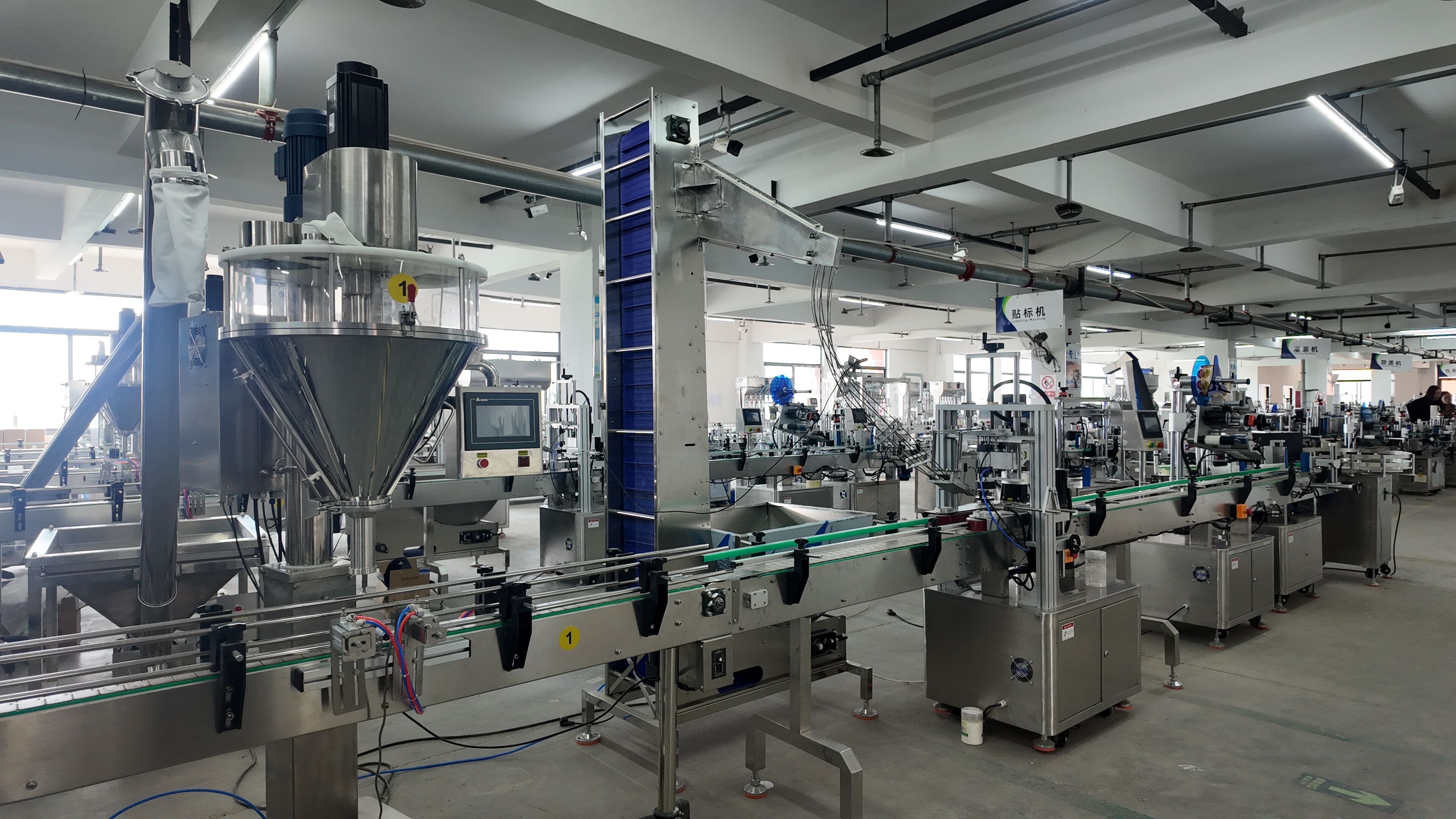
Seltrion offers a comprehensive portfolio of automated packaging equipment, including high-speed labeling machines, precision filling systems for liquids, powders, and pastes, reliable capping machines, and advanced sealing solutions. In addition, the company provides coding and marking systems to ensure clear product identification, traceability, and compliance with industry standards.
With a strong focus on innovation and efficiency, Seltrion integrates intelligent control systems and modular design to support flexible production lines and improve operational productivity. Its solutions are tailored to meet diverse customer requirements, from standalone machines to complete turnkey packaging lines.
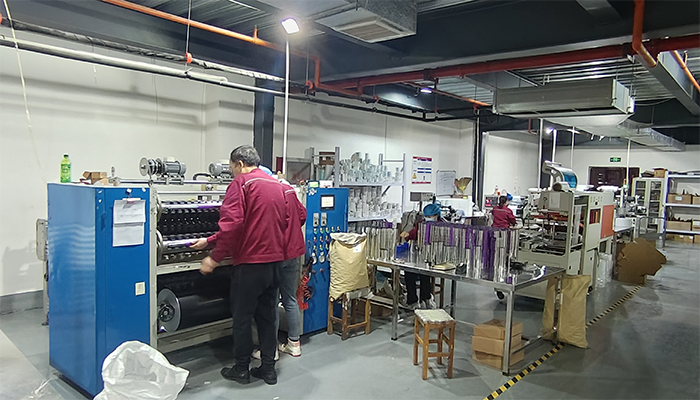
Committed to quality and customer satisfaction, Guangzhou Seltrion Packaging Co., Ltd. adheres to strict manufacturing standards and provides full technical support, including system design, installation guidance, and after-sales service. The company aims to help global clients enhance packaging efficiency, reduce costs, and achieve consistent, high-quality production outcomes.
Practical answers for procurement teams comparing China automatic labeling line factories, supplier capabilities, compliance evidence, and after-sales support.
A complete automatic labeling line typically includes product feeding, bottle handling or conveyor transport, label dispensing and application, product detection, reject handling, and basic inspection. Depending on scope, it may also include coding, vision verification, filling, capping, sealing, checkweighing, and packaging integration. The correct scope should be defined from the product drawing, label specification, line layout, target speed, and quality standard.
Cost depends on speed, product handling complexity, label format, servo content, vision inspection, stainless-steel requirements, compliance documentation, and integration scope. A standalone semi-automatic labeler is not comparable to a high-speed wrap-around line with star-wheel positioning and vision checks. Buyers should compare quotations using the same technical specification and a total-cost model that includes spare parts, changeover tooling, training, freight, commissioning, and downtime risk.
Request a live video audit of the factory, engineering department, assembly area, quality inspection process, and similar machines in production. Ask for component records, test reports, FAT procedures, references, and sample-run videos using products similar to yours. For important projects, an onsite audit or third-party inspection is advisable. Verify the legal entity, export experience, warranty terms, and spare-parts process before payment.
Yes, but flexibility must be engineered. Multi-SKU lines may use adjustable guide rails, interchangeable format parts, recipe memory, color-coded tooling, and servo-assisted adjustment. Thin films, transparent labels, recycled-content materials, and wash-off adhesives can behave differently, so the supplier should test the actual label and bottle samples. “Compatible with multiple sizes” should be supported by documented changeover procedures and repeatability checks.
Buyers should request electrical schematics, pneumatic diagrams, component lists, calibration records where relevant, operation and maintenance manuals, spare-parts lists, and FAT records. Depending on the market and application, additional evidence may include CE-related documentation, UL requirements, GMP documentation, material certificates, risk-assessment notes, and validation support. Compliance claims should be verified in writing against the destination market and end-product requirements.
Lead time varies with customization, component availability, factory capacity, sample testing, and FAT scheduling. A standard machine may have a shorter cycle, while a turnkey line with custom conveyors, vision inspection, and multiple integrated stations requires more engineering and testing time. Buyers should ask for a milestone schedule covering drawing approval, material preparation, assembly, testing, FAT, packaging, and shipment, and should reserve time for sample approval and documentation review.
Before ordering, create a recommended spare-parts list based on line criticality and wear items. Clarify warranty scope, response time, remote-support availability, operator training, maintenance training, manual language, and escalation contacts. For remote regions, consider stocking key sensors, belts, dispenser parts, and tooling. The most reliable suppliers provide clear maintenance intervals and troubleshooting guidance rather than relying only on emergency support.
China offers deep packaging-machinery supply chains, broad customization capability, competitive engineering resources, and many component options. A China supplier can be an excellent choice when it demonstrates transparent engineering, test evidence, and export support. Some buyers combine a China-built machine with local integration or service partners. The best decision depends on equipment criticality, local support availability, compliance requirements, and the buyer’s ability to manage factory acceptance and commissioning.
Complete the sourcing review with eight additional filling, labeling, capping, sealing, and packaging systems. Evaluate each machine against the same engineering, compliance, changeover, and lifecycle-support criteria used above.
 Selltrion Packaging