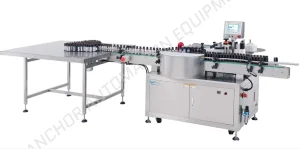
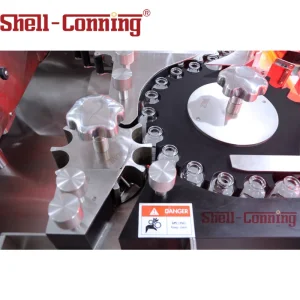
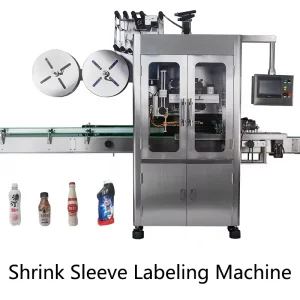
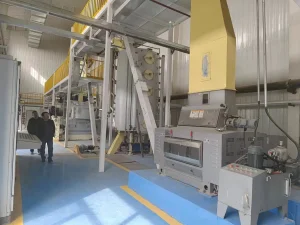
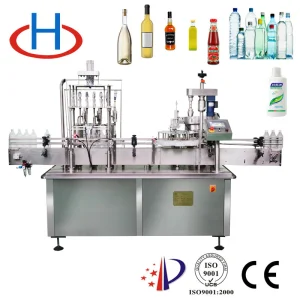
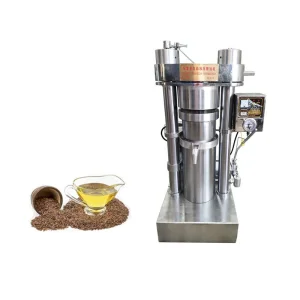
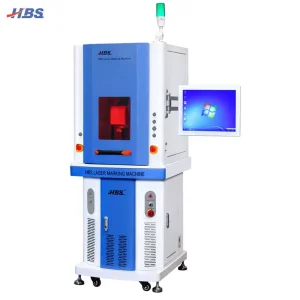
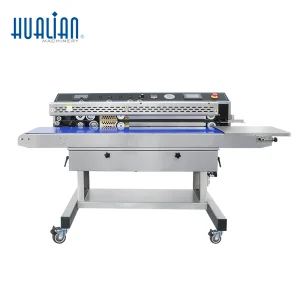
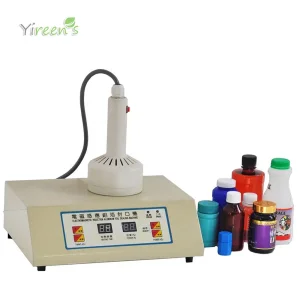
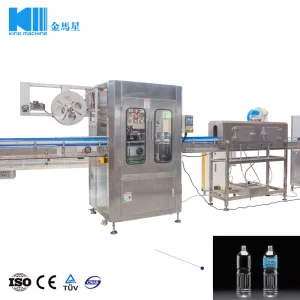
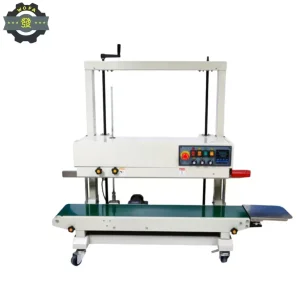
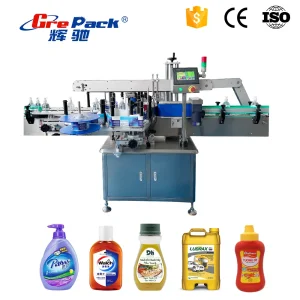
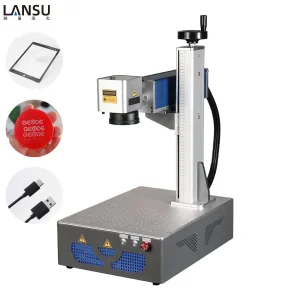
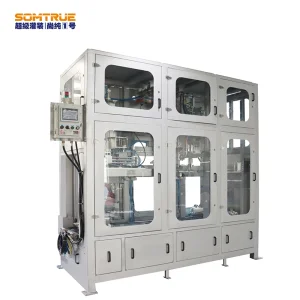
Guangzhou Seltrion Packaging Co., Ltd. is a professional packaging machinery manufacturer specializing in integrated solutions for labeling, filling, capping, sealing, and coding & marking systems. Located in Guangzhou, China, the company serves a wide range of industries including food and beverage, pharmaceuticals, cosmetics, chemicals, and daily consumer goods.
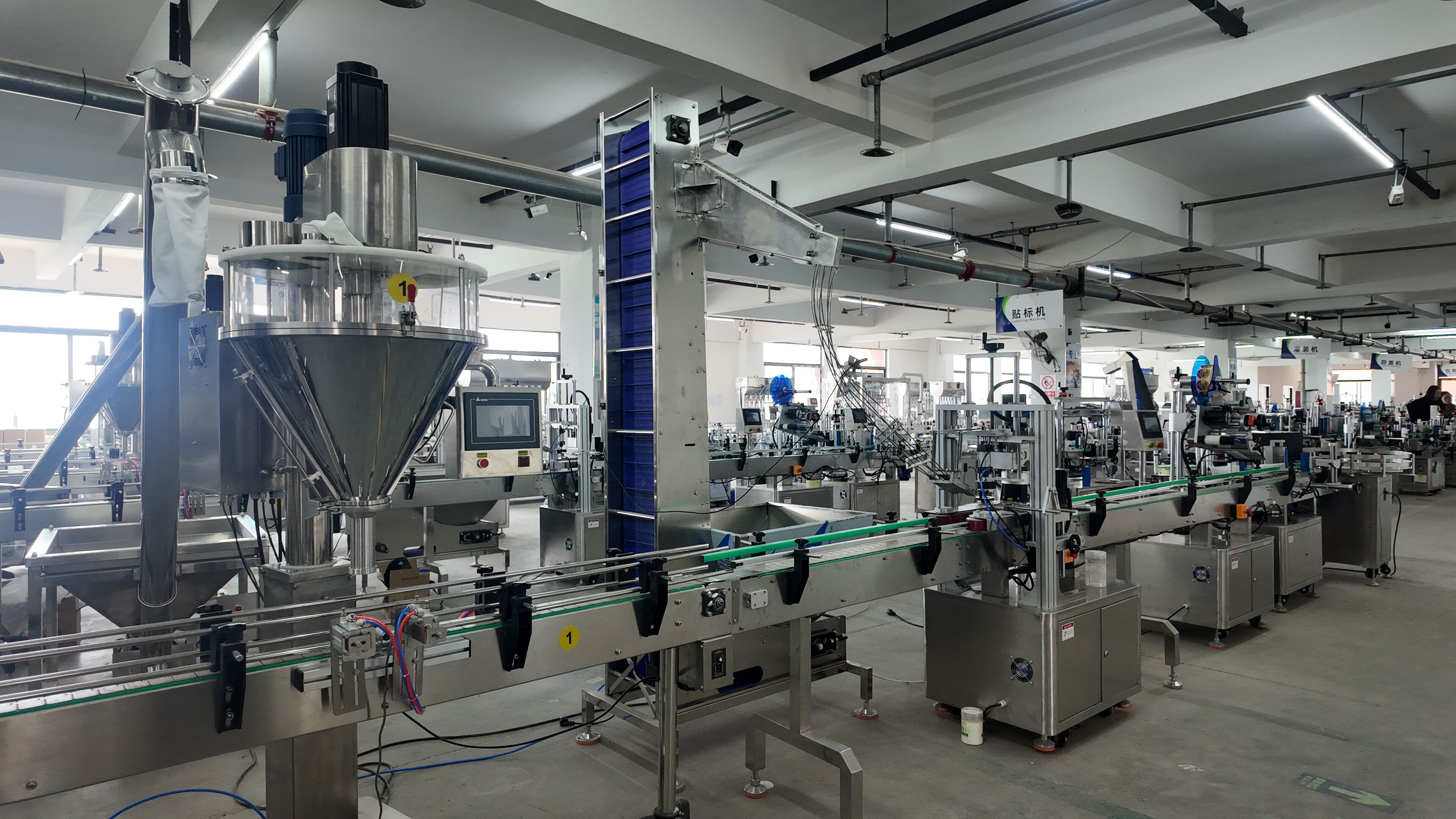
Seltrion offers a comprehensive portfolio of automated packaging equipment, including high-speed labeling machines, precision filling systems for liquids, powders, and pastes, reliable capping machines, and advanced sealing solutions. In addition, the company provides coding and marking systems to ensure clear product identification, traceability, and compliance with industry standards.
With a strong focus on innovation and efficiency, Seltrion integrates intelligent control systems and modular design to support flexible production lines and improve operational productivity. Its solutions are tailored to meet diverse customer requirements, from standalone machines to complete turnkey packaging lines.
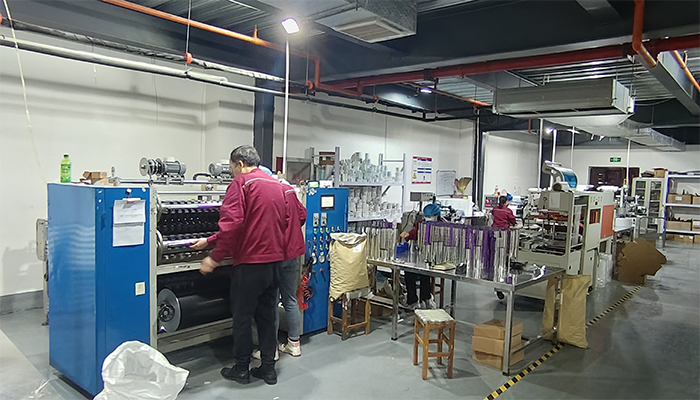
Committed to quality and customer satisfaction, Guangzhou Seltrion Packaging Co., Ltd. adheres to strict manufacturing standards and provides full technical support, including system design, installation guidance, and after-sales service. The company aims to help global clients enhance packaging efficiency, reduce costs, and achieve consistent, high-quality production outcomes.
In the global paradigm of Industrial IoT (IIoT) and automated logistics, the automatic case erector acts as the critical gatekeeper of secondary packaging. Sourcing these systems from premier Chinese factories offers distinct competitive advantages that directly impact a facility's Overall Equipment Effectiveness (OEE) and Total Cost of Ownership (TCO).
Chinese case erector manufacturers leverage advanced CNC centers and heavy-duty steel plate fabrication. This delivers structural rigidity (typically utilizing 10-15mm thick steel frames) to ensure continuous, high-speed operation (up to 40-50 cases per minute) with zero frame deflection or mechanical fatigue.
To match strict Western standards, major domestic suppliers natively integrate world-renowned automation parts: Siemens/Omron PLCs, SMC/Festos pneumatic actuators, Schneider/Mitsubishi electrical modules, and Banner/Sick optical sensors.
Guangzhou's packaging machinery cluster, led by industry pioneers like Seltrion, enables rapid turnarounds. Custom engineering requirements—such as non-standard box sizes, stainless steel SUS304/SUS316 washdown frames, or hot-melt glue system integrations—are completed in fractions of the time compared to European or North American counterparts.
An Automatic Case Erector (or box former) is designed to solve a single fundamental challenge: taking a flat, stacked corrugated cardboard blank, transforming it into a three-dimensional rectangular carton, folding the bottom flaps, and sealing them with adhesive tape or hot-melt glue.
| Functional Module | Technical Characteristics | Benefit to End-of-Line Production |
|---|---|---|
| Blank Storage Magazine | Horizontal or vertical gravity-fed. High capacity (up to 150 flat blanks), reloadable during active run-time. | Prevents line downtime; allows continuous raw material feeding without halting operations. |
| Vacuum Pick-and-Open System | Uses multi-suction cup cups powered by high-flow Venturi ejectors or dedicated vacuum pumps. Double-sided opening mechanism. | Ensures boxes with stiff cardboard or high recycle content open reliably without tearing. |
| Flap Folding Actuators | High-speed mechanical folders driven by rotary cylinders or servomotors. Bottom-up sequential fold. | Precise 90-degree creases, eliminating "fishtailing" and ensuring perfect box symmetry. |
| Sealing Engine | Interchangeable 2-inch or 3-inch tape heads, or Nordson/Robatech Hot-Melt nozzle applicators. | Provides flexible sealing configurations based on environmental storage conditions (cold chain vs. dry storage). |
Traditional mechanical cam-driven machines are limited in flexibility. Modern automated case erecting units utilize multi-axis synchronized servo control systems. By substituting manual hand-wheel adjustments with digital servomotors, changeover times for varying box dimensions (L x W x H) are reduced from 30 minutes to under 2 minutes through HMI touch-screen presets.
Automated case erecting is not a one-size-fits-all product. Different industrial sectors command specialized configurations to comply with regulatory, environmental, and throughput demands.
Designed to withstand strict sanitization. Built using full stainless steel (SUS304) construction with NEMA 4X rated electrical enclosures. Ideal for wet environments such as seafood, meat packing, dairy, and beverage bottling plants.
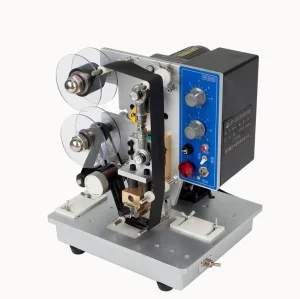
Focuses on traceability, serialization, and cleanroom operation. Features integration with inkjet coding units (like the HP-241b type) and vision inspect systems to reject deformed cartons prior to loading vital medical supplies.
Utilizes automated scanning sensors to measure inbound random flat blanks. Automatically adjusts folding arms and guide rails on the fly, matching the high-variation demand of modern logistics and distribution hubs.
When evaluating case erector manufacturers in China, international engineers must look past basic price tags to assess structural safety, system compatibility, and operational reliability. Refer to this checklist to make an informed investment decision:
Verify that the entire machinery system (not just individual components) carries a valid CE mark or UL compliance certificate. This guarantees adherence to strict machinery directives, low voltage directives, and electromagnetic compatibility (EMC) regulations.
Ensure that high-wear parts (such as pusher chains, linear guides, and cutter blades) are heat-treated or TiN-coated. Main structures must have minimum wall thickness thresholds to prevent vibration and ensure a long machinery lifetime.
Look for clean pneumatic layouts with dedicated filter-regulator-lubricator (FRL) units. Standardized tubing color-coding assists maintenance crews in tracing pneumatic routes and troubleshooting leakages quickly.
The machine control software must include open-source ladder logic code or clear API interfaces for MES/ERP systems. Category 3/4 Safety relays and physical interlocked transparent guard doors are mandatory for operator protection.
The packaging landscape is undergoing a shift driven by sustainability, artificial intelligence, and predictive maintenance protocols. Modern automatic case erecting systems are no longer standalone islands; they are networked cyber-physical nodes.
By integrating vibration and thermal sensors onto main motor axles and pneumatic pistons, the control system calculates real-time degradation. Operators receive preventive maintenance alerts weeks before a physical failure occurs, cutting unplanned downtime down to almost zero.
Sustainability is driving manufacturers to minimize plastic consumption. Newer case erector sealing heads can accurately apply water-activated paper tape or optimize adhesive dispensing patterns (dots instead of continuous lines) to reduce raw material usage by up to 30%.
Variations in relative humidity can cause cardboard blanks to warp, leading to jams in conventional machines. Intelligent case erectors use optical cameras and torque-monitoring suction arms to adjust vacuum force and feed velocity based on structural rigidity variations.
 Selltrion Packaging