Filling operations often look simple: product enters a container, a measured amount is released, and the package moves forward. In practice, small variations can create major quality problems. A filling line may face inconsistent volumes, foaming, dripping nozzles, blocked valves, container damage, or unexpected production delays. These issues can affect product appearance, customer trust, and manufacturing costs. So, what are common problems in filling operations, and why do they continue despite modern equipment?
The causes are rarely limited to one machine component. Product viscosity can change with temperature, while air pockets may disturb pump performance. A worn seal can cause leakage, even when operators follow standard procedures. Nozzle height, filling speed, pressure, and container position also require careful adjustment. Experienced technicians usually inspect these details together instead of blaming the filler immediately. Small clues matter. A thin residue around the nozzle may reveal a deeper calibration problem.
Reliable operations depend on documented checks, accurate measurement, preventive maintenance, and trained personnel. However, procedures are not always followed consistently, especially during shift changes or urgent production runs. That weakness deserves honest attention. Equipment manuals provide valuable guidance, but real production conditions may expose limitations that specifications do not show. Environmental temperature, cleaning practices, and operator judgment can all influence results.
This article examines the practical reasons filling operations fail and explains how teams can identify problems before they become repeated defects. The goal is not to promise perfect performance. It is to build a clearer, evidence-based approach to safer, more stable, and more efficient filling processes.
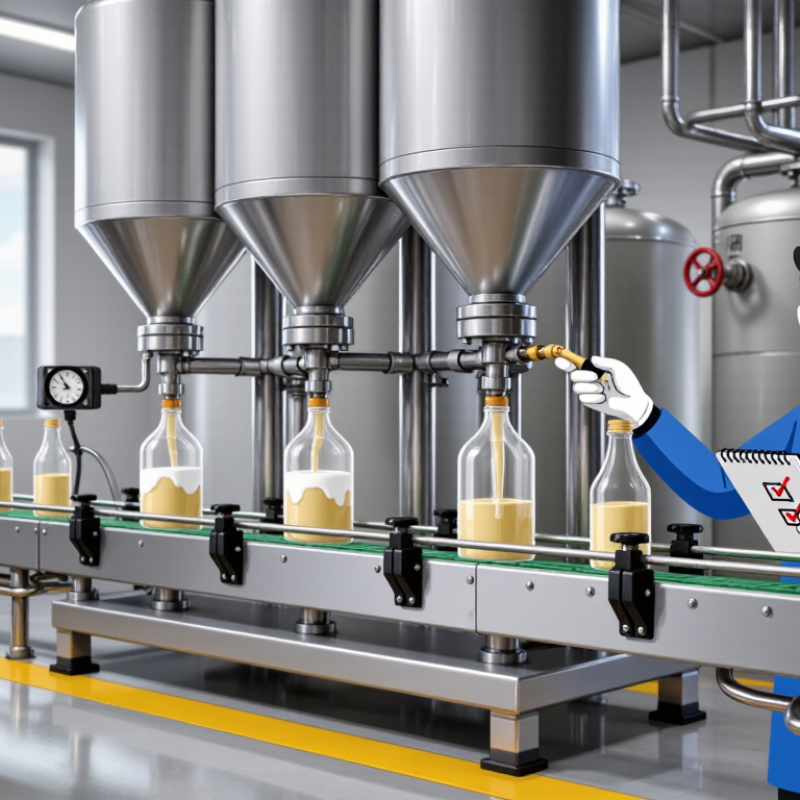
Filling operations are the controlled steps used to place a measured product into a container. The product may be a thin liquid, thick cream, powder, or small solid item. These operations appear in food plants, medicine production, cosmetics, and household cleaning products. A typical line includes a storage tank, pump, filling nozzle, container conveyor, and inspection point. Accuracy matters because each container should receive the intended amount without unnecessary waste.
The process often looks simple, but product behavior can change quickly. A cold liquid may move slowly through a nozzle. A warm product may create foam or drip after filling. Powders can settle unevenly, while thick creams may cling to equipment surfaces. Container height and shape also affect the final result. In practical production work, technicians check fill weight, temperature, pressure, and nozzle cleanliness at regular intervals. Small adjustments can prevent large batches from being rejected.
Problems still happen. A pump may lose consistency after hours of operation. A sensor may respond late. An operator may trust an old setting too much. I have found that records reveal these weak points better than memory. Yet records are not perfect; rushed checks can hide gradual changes. Good teams compare actual measurements, inspect the equipment, and question familiar routines. That discipline supports safer output and more reliable filling performance.
Filling operations transfer a measured quantity of liquid, powder, granules, or viscous material into containers. They are widely used in food and beverage packaging, pharmaceutical production, cosmetics, chemicals, and household products. Common problems include underfilling, overfilling, foaming, dripping, inconsistent viscosity, air entrapment, and nozzle blockage.
The chart shows the maximum tolerable deficiency, T1, at representative nominal quantities under OIML R 87:2016 for prepackaged products. Larger containers can have a greater absolute underfill allowance, but accurate dosing remains essential for legal compliance, product quality, and customer trust. Actual requirements depend on the applicable regulation, product density, container type, and filling process.
Filling problems often begin with product behavior, not machine failure. A liquid may look uniform in a tank, yet change during transfer. Viscosity is a common trigger. Cold syrup moves slowly, while a warmed batch may drip or foam. Small temperature shifts can alter fill volume, nozzle cut-off, and cycle time. I have seen operators increase pump speed when the real issue was product cooling. That choice created more splashing.
Foam is another hidden variable. Proteins, surfactants, and powders can trap air during mixing or pumping. Bubbles make levels appear correct before they collapse inside the container. Surface tension also affects how a stream spreads across a narrow opening. Products with suspended particles bring different risks. Particles may settle, bridge a valve, or block a small passage. Their size distribution matters as much as their average size. A gentle agitator can help, but excessive shear may damage delicate structures.
Not always.
Reliable filling requires product testing under actual process conditions. Measure viscosity at operating temperatures, not only in the laboratory. Check density, foaming tendency, particle behavior, and hold time. Then match nozzle size and pump type to those findings. Record fill weights across the run. Variation often grows slowly. A practical review should also question the product itself. Was it mixed too long? Did storage change its flow? These questions are easy to overlook, and my own first adjustment is not always the best one.
Filling problems rarely come from one faulty component. A worn seal can cause leaks, while unstable air pressure creates inconsistent dosing. Product temperature also matters. A sauce that is 4°C colder may flow more slowly and leave residue around the nozzle. We often blame the filler too quickly. That assumption deserves challenge. Incorrect pump speed, poor sanitation, or an unsuitable changeover method can create the same symptoms. The OEE Foundation uses 85% OEE as a world-class reference point, yet small filling losses often remain hidden inside minor stops and rework.
Process variation is another quiet risk. Operators may adjust fill volume by eye, especially during busy shifts. This can produce overfilling, underfilling, and unnecessary material loss. Deloitte’s 2023 Smart Manufacturing and Operations Survey reported that 86% of manufacturing executives view smart manufacturing as important for future competitiveness. However, digital monitoring cannot repair poor procedures. Sensors must measure useful points, and teams must respond consistently. Otherwise, data becomes decoration.
Tips: Check nozzle alignment at the start of each shift. Record product temperature, pressure, fill weight, and stoppage duration. Inspect seals before they fail visibly. Use a short trial run after every changeover. Review repeated alarms weekly, not only after a major incident. Some records will be incomplete. That is normal, but it should trigger better training and clearer ownership.
Filling operations can fail even when the product looks clean. Contamination often begins with small process gaps. A poorly sanitized valve may retain residue overnight. Dust can enter when containers remain uncovered near the conveyor. Operators may also transfer particles through gloves, sleeves, or repeated contact with equipment.
Temperature and humidity create additional risks. Moisture can support microbial growth around drains, seals, and product-contact joints. If cleaning chemicals are not fully removed, they may affect product quality. During line observations, I have seen teams focus heavily on filling speed while overlooking short pauses between batches. Those pauses matter.
Packaging defects usually develop through mechanical stress or weak inspection routines. An incorrect torque setting can leave caps loose. Excessive pressure may deform containers or damage liners. Misaligned nozzles can create product splashes on sealing surfaces. A defect may appear minor at the line, then become leakage during transport. It is tempting to blame the packaging material immediately. That is not always accurate. Conveyor vibration, worn guides, and inconsistent container dimensions can create the same symptom. Better investigations compare samples from different time points, check equipment settings, and review cleaning records. Some teams record everything, yet fail to connect the evidence. That remains a practical weakness worth correcting.
Why Do Filling Operations Often Face Problems?
Methods for Diagnosing and Improving Filling Operations
Filling operations often fail through small, repeated variations. The visible symptom may be an incorrect fill weight, but the cause can hide elsewhere. A practical diagnosis starts with reliable measurements. Record fill weights, line speed, pressure, temperature, and product conditions. Compare readings across several shifts, not just one batch. Then inspect valves, pumps, hoses, and nozzles for wear or blockage. If pressure changes during the cycle, the equipment may need closer testing. Small changes matter. I have seen teams blame operators before checking unstable air supply or poor calibration. Good data prevents that mistake.
Temperature can change viscosity and filling behavior. A liquid that flows well in the morning may move slowly later. Measure viscosity at different operating temperatures. Check whether the product contains foam or trapped air. Purge the system carefully. Nozzle wear can also create uneven streams or dripping. Use controlled weight checks at regular intervals. Do not change several settings at once. That shortcut makes cause and effect unclear.
Improvement should be tested through small, documented adjustments. Change one variable, then run enough units to observe a pattern. Review rejected containers beside accepted ones. Their differences may reveal timing, settling, or alignment problems. Train operators to record unusual sounds, splashing, and delays. Their observations often expose issues that instruments miss. Still, records are not always perfect. Human notes can be incomplete, and some causes remain uncertain. Treat that uncertainty as a reason to investigate further, not as proof that the process is stable.
| Operational Dimension | Diagnostic Indicator | Typical Target | Observed Result | Likely Cause | Recommended Improvement | Expected Effect |
|---|---|---|---|---|---|---|
| Fill Volume Accuracy | Average deviation from nominal fill volume | ≤ ±1.0% | ±2.4% | Incorrect dosing calibration, unstable product pressure, or inconsistent valve timing | Calibrate dosing equipment at scheduled intervals and verify pressure and valve timing at the start of each batch | Lower giveaway and rework |
| Line Throughput | Actual output compared with planned capacity | ≥ 90% | 76% | Frequent micro-stoppages, slow changeovers, and material supply interruptions | Track downtime by cause, standardize changeover tasks, and stage containers and closures before production | Higher usable output |
| Fill Weight Variation | Coefficient of variation between filled units | ≤ 0.8% | 1.7% | Product viscosity changes, entrained air, or inconsistent pump performance | Control product temperature, remove trapped air, and inspect pump seals and check valves | More consistent fills |
| Product Dripping | Units affected by nozzle drip or stringing | ≤ 0.5% | 3.2% | Poor nozzle cutoff, excessive dosing speed, or unsuitable nozzle geometry | Optimize suck-back or cutoff settings, reduce final dosing speed, and clean or replace worn nozzles | Cleaner containers and less waste |
| Foaming Rate | Fills requiring foam settling or operator intervention | ≤ 1.0% | 4.6% | High turbulence, excessive drop distance, or high line speed for the product characteristics | Use bottom-up or dive filling where appropriate, reduce turbulence, and adjust filling speed in stages | Faster cycle completion |
| Changeover Duration | Time from final unit of one format to first accepted unit of the next | ≤ 45 min | 78 min | Unclear work sequence, excessive adjustments, and missing change parts | Apply a standardized changeover checklist, prepare tools in advance, and separate internal and external setup work | More production availability |
| Unplanned Downtime | Percentage of scheduled time lost to unplanned stops | ≤ 5% | 11% | Weak preventive maintenance, sensor contamination, or repeated minor faults | Use condition-based inspections, clean sensors routinely, and analyze the top recurring stoppage codes | Improved equipment reliability |
| Quality Rejection Rate | Units rejected for underfill, overfill, leakage, or contamination | ≤ 1.5% | 3.8% | Inadequate in-process checks, poor container handling, or delayed response to process drift | Increase sampling during startup and after adjustments, define reaction limits, and record defects by failure mode | Lower scrap and customer risk |
| Cleaning and Sanitation | Cleaning verification failures or residue findings | 0 findings | 2 findings / month | Dead zones, incomplete disassembly, or inconsistent cleaning instructions | Map product-contact surfaces, revise sanitation procedures, and verify cleaning with documented inspections | Reduced contamination risk |
Residue may remain inside a poorly sanitized valve overnight. Dust can enter uncovered containers near a conveyor. Gloves, sleeves, and repeated equipment contact can transfer particles.
During pauses, product may settle in valves, joints, or hoses. Moisture can support microbial growth near drains and seals. Teams often focus on speed and miss these gaps.
Moist areas around drains and product-contact joints create added contamination risks. Temperature changes may also affect product flow and filling accuracy. The cause is not always obvious.
Incorrect torque settings can leave caps loose. Excessive pressure may deform containers or damage liners. Small defects can become leaks during transport.
No. Conveyor vibration, worn guides, and uneven container dimensions can create similar problems. Check equipment settings before blaming the material.
Record fill weight, line speed, pressure, temperature, and product condition. Compare several shifts, not one batch. One reading can mislead.
Viscosity may increase as the product cools. A liquid flowing smoothly in the morning may move slowly later. Measure viscosity at different operating temperatures.
Inspect valves, pumps, hoses, and nozzles for wear or blockage. Check for foam or trapped air. Worn nozzles may cause dripping and splashing.
Change one setting at a time, then run enough units to observe a pattern. Compare rejected containers with accepted ones. Changing everything together weakens the investigation.
Operator notes can reveal unusual sounds, splashing, and delays. However, records may be incomplete or inconsistent. Uncertainty is not proof of stability.
Filling operations are used across many industries to transfer measured amounts of liquid, powder, or semi-liquid products into containers efficiently and consistently. Their performance depends heavily on product properties such as viscosity, density, temperature, foaming tendency, particle size, and flow behavior. These factors influence filling speed, accuracy, splash control, and the ability of equipment to handle the product smoothly.
When asking “what are common problems in filling operations,” typical issues include inaccurate fill levels, dripping, foaming, blockages, inconsistent flow, equipment wear, and poorly adjusted sensors or valves. Contamination can develop through inadequate cleaning, product buildup, or unsuitable handling procedures, while packaging defects may result from weak containers, improper sealing, or misalignment. Effective improvement begins with systematic diagnosis, including checking product conditions, equipment settings, maintenance records, and environmental factors. Regular cleaning, calibration, operator training, process monitoring, and controlled testing can help identify root causes and improve reliability, quality, and production efficiency.

Selltrion Packaging