Designing an efficient production line is a crucial aspect of modern manufacturing. Many businesses struggle with this process, often leading to wasted resources and time. Understanding how to design an efficient production line can significantly improve productivity and reduce costs.
An effective production line minimizes bottlenecks and enhances workflow. It requires careful planning and consideration of various elements like layout, machinery, and worker efficiency. Often, companies overlook the importance of employee input and real-time data analysis. These aspects can reveal hidden inefficiencies in the system.
Providers and manufacturers must embrace a culture of continuous improvement. An efficient design is not a one-time effort but an evolving process. Reflecting on past mistakes and outcomes can lead to better strategies. With the right approach, any manufacturing entity can optimize its production line and ultimately achieve greater success.
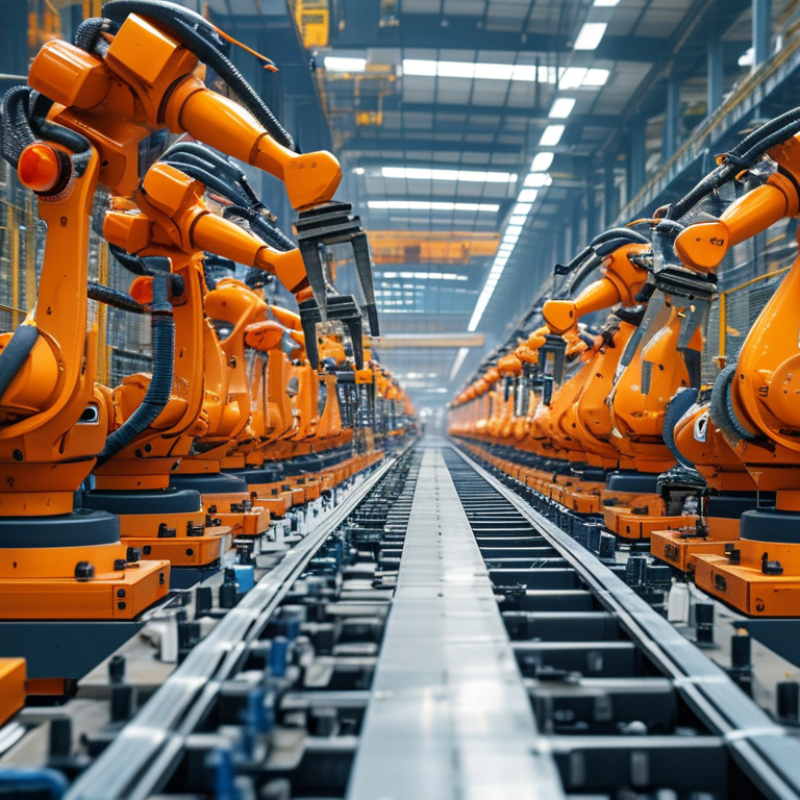
Identifying the objectives and requirements of a production line is crucial for its success. Start by clearly defining what you want to achieve. Are you focused on maximizing output, reducing costs, or ensuring quality? Each goal will shape your design approach. Take time to assess the materials and technologies you'll use. This involves considering suppliers and machinery that align with your objectives.
Next, understand the flow of work within the production line. Identify bottlenecks early. Spot inefficiencies that might slow down production. Engaging with your team can surface valuable insights. Sometimes, team members notice problems that management overlooks. Facilitate discussions to uncover any hidden challenges.
Monitoring key performance indicators helps gauge effectiveness. Track metrics such as cycle time, production volume, and downtime. Evaluate your data regularly. Adjust objectives as needed to respond to changing conditions. Remember, refining your production line is an ongoing process. There will always be areas that require improvement and reflection. Uncovering these points will lead to a more efficient system over time.
Analyzing your current workflow is crucial for designing an efficient production line. It begins with mapping out each step in the process. Visually representing the workflow can highlight areas that may not function optimally. You might discover that certain tasks take longer than anticipated. Identifying these discrepancies is vital for improvement.
Bottlenecks often arise from a single point of failure. This can be a slow machine or an overwhelmed worker. Observing how tasks flow through the system might reveal unexpected delays. Sometimes, the layout of the workspace contributes to inefficiencies. If materials are not easily accessible, it can disrupt the entire process.
It’s important to gather feedback from employees. Their insights can shed light on practical issues that might not be evident from a managerial viewpoint. Regularly revisiting the workflow helps maintain efficiency. The production line must adapt as conditions change. Embracing a mindset of continuous improvement can drive better outcomes.
| Step | Description | Current Issue | Priority Level | Estimated Time to Improve |
|---|---|---|---|---|
| 1 | Analyze Current Workflow | Lack of documentation | High | 2 weeks |
| 2 | Identify Bottlenecks | Long wait times between steps | High | 1 week |
| 3 | Map Out Production Flow | Undefined process paths | Medium | 3 weeks |
| 4 | Engage Team for Insights | Limited team input | Medium | 1 week |
| 5 | Consider Technology Upgrades | Obsolete machinery | High | 4 weeks |
| 6 | Standardize Processes | Inconsistent procedures | Medium | 2 weeks |
| 7 | Implement KPIs | Lack of performance tracking | High | 2 weeks |
| 8 | Train Staff | Skills gap | Medium | 3 weeks |
| 9 | Test the New Layout | Unforeseen issues in testing | High | 1 week |
| 10 | Continuous Improvement | Stagnant processes | High | Ongoing |
Designing an efficient production line layout requires careful consideration of both efficiency and accessibility. The positioning of workstations plays a critical role. Workstations should be arranged based on the flow of materials. For instance, placing machinery in a sequence that aligns with the production process can minimize unnecessary movement. Visualizing this flow can help identify potential bottlenecks. Observing how workers navigate the space can reveal areas that might need adjustment.
Accessibility is equally important. All tools, materials, and machines should be within easy reach. Overcrowded workspaces can lead to delays and increased frustration. Ensuring that pathways are clear and adequately sized for movement can significantly enhance workflow. However, it is essential to regularly revisit layout decisions. What works well initially may not serve the same purpose as production scales up or changes. Engaging workers in feedback loops can provide insights that improve the layout.
Flexibility should be a priority in design. Being able to adapt the layout to new processes or products can prevent stagnation. It's common to feel attached to a layout that once worked but may no longer yield the best results. Conducting regular evaluations and being willing to pivot based on feedback can help maintain an efficient and accessible production line.
Selecting the right technology and equipment is crucial for an efficient production line. A study by the International Journal of Production Research suggests that 70% of production efficiency hinges on technological choice. Identifying the right machines can reduce cycle time and enhance product quality.
When evaluating technology options, consider automation. Research indicates that automated systems can increase production rates by 20-50%. However, upfront investment can deter companies. Inadequate research may lead to misalignment between technology and production needs, creating bottlenecks. Businesses should assess compatibility with existing processes. Regular reviews ensure adaptations align with evolving production demands.
Integrating advanced equipment requires training. Employees must understand new systems. Yet, about 40% of organizations report insufficient training for new technologies. This gap can cause underutilization and inefficiency. Reflecting on these challenges reveals the importance of not only selecting the right tools but also nurturing a knowledgeable workforce to wield them effectively.
To implement continuous improvement strategies, one must first evaluate current processes. Assess workflow efficiency, identifying bottlenecks and delays. This helps in understanding where improvements are needed. Engage your team for insights; they often know where issues exist. Regular feedback from employees can reveal pain points unseen by management.
Next, adopt a mindset focused on experimentation. Small changes can lead to significant improvements over time. Test new methodologies and record the results. Some strategies may fail, and that’s okay. Learn from failures and adapt swiftly. Consistent analysis of performance metrics is essential in this phase. Adjusting your approach should be part of the process.
Encourage a culture of innovation within the team. Everyone should feel empowered to suggest changes. Celebrate both successes and lessons learned from failures. This approach fosters a proactive environment. Continuous improvement is not a one-time event; it’s a journey that needs persistent attention. Regular training can help maintain focus on efficiency. Emphasizing the importance of constant evolution cultivates a resilient production line.
: It helps identify inefficiencies and bottlenecks in the production process.
Bottlenecks often come from slow machines or overwhelmed workers in the system.
Poor layout can disrupt material access, causing delays and frustration.
Employee insights can reveal practical issues that management might overlook.
Workstations should be arranged in a sequence that aligns with the production flow.
Adapting layouts to new processes can prevent stagnation and improve efficiency.
Engage teams for suggestions and test new strategies for improvement.
Empower employees to suggest changes and celebrate both successes and failures.
It fosters a resilient production line that adapts to change and optimizes efficiency.
Experimentation is key; learning from failures leads to better approaches.
To successfully understand how to design an efficient production line, it is crucial to start by identifying the objectives and specific requirements that align with production goals. This foundational step sets the stage for analyzing the current workflow to pinpoint bottlenecks that may hinder productivity. A strategic layout design is then necessary to enhance both efficiency and accessibility within the workspace.
Furthermore, selecting the appropriate technology and equipment tailored to the production needs is essential for optimal performance. To maintain sustained efficiency, implementing continuous improvement strategies ensures that the production line adapts to changes and remains competitive. By following these steps, organizations can create a streamlined and effective production system that meets their operational demands efficiently.

Selltrion Packaging