How to Improve Product Traceability in 2026?

Time:2026-11-17 Author:Sophia
0%

In 2026, product traceability is becoming a practical test of supply-chain readiness. Customers expect clear product information, while teams need reliable records when quality concerns arise. A batch code should connect a finished item to its ingredients, production date, supplier, and destination. If those links are missing, even a small issue can take hours to investigate. That is why “why is product traceability important” is more than a search query: it is a question about trust, response time, and operational control.

Frank Yiannas, a food-safety expert and former FDA Deputy Commissioner for Food Policy, has emphasized traceability’s role in identifying affected products quickly. A fair paraphrase of his message is: “Traceability should help teams pinpoint affected products and act, not merely store records.” That distinction matters. A spreadsheet that nobody updates is not a dependable system. Neither is a sophisticated platform built on inconsistent supplier data.

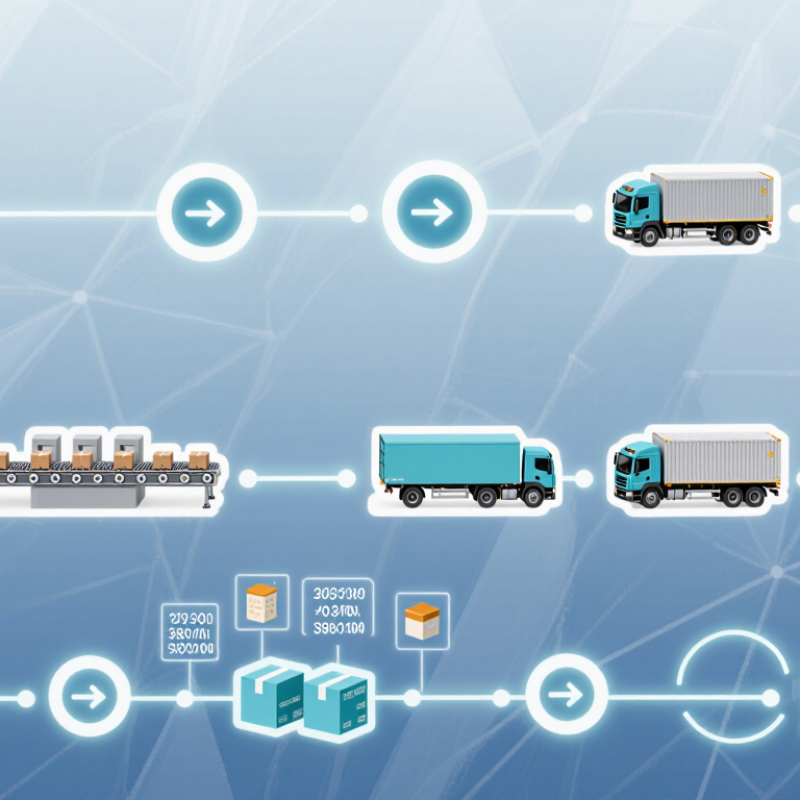
Improving traceability starts with mapping the product journey, from incoming materials to shipment. Standardized identifiers, accurate timestamps, and routine checks make records easier to connect. Teams should test the process with a realistic example: Can they find every destination for one batch before the next shift ends? Small gaps often appear in handoffs, relabeling, or manual data entry. No system is perfect. That deserves reflection, too. For 2026, the goal is not simply to collect more data, but to make essential information accurate, accessible, and useful when a real decision must be made.
How to Improve Product Traceability in 2026?

Define Product Traceability Goals and Scope

Define the traceability goal before choosing software or adding labels. Is the priority faster recalls, fewer counterfeit parts, cleaner sustainability data, or fewer shipment disputes? Each goal needs a measurable outcome, such as tracing a lot to its last scan within 30 minutes. MHI’s 2024 Annual Industry Report found that 55% of surveyed supply-chain professionals planned to increase technology investment. A clear goal helps direct that spending toward useful records, not dashboards nobody checks.

Set boundaries around one product family, a few suppliers, and specific handoff points. For a pilot, track the lot ID, scan time, location, and party responsible at each transfer. Decide what “traceable” means: a complete path from raw material to customer, or only visibility across your own warehouse? That distinction matters. Small gaps count. In practice, a missing scan at a loading bay can break an otherwise polished record. Name a data owner for every handoff, and agree how errors get corrected. Review the scope after the pilot; it may reveal that the chosen product was unusually easy to track.

Map Supply Chain Stages and Data Requirements

How to Improve Product Traceability in 2026?
Map Supply Chain Stages and Data Requirements

Good traceability begins with a practical map, not a software purchase. Sketch each stage from raw material intake to processing, packing, storage, and delivery. Mark where ownership changes and where products are split or combined. A batch may become several lots on a packing line. Capture that transition.

For every stage, define the minimum useful record: a lot or item identifier, event time, location, quantity, and responsible party. Add process details when they affect quality, such as temperature readings during chilled storage or equipment settings during production. Keep units consistent. “Cold” is not a measurement. Decide how corrections are recorded, too; overwritten entries weaken confidence.

Test the map with a real shipment. Can staff trace one finished unit back to its inputs, then forward to its destination? Include scanned records and paper handoffs, because the messier steps often reveal gaps. Do not collect fields nobody uses. They create work and invite careless entry. A perfect map is unlikely. Teams may miss a transfer or disagree about when a stage begins. Review those assumptions with warehouse and production staff, then revise the data rules before expanding the system.

How to Improve Product Traceability in 2026? - Map Supply Chain Stages and Data Requirements

Illustrative traceability map for a packaged food product. Sample identifiers and quantities are fictional; the data fields reflect common supply-chain and product-safety practices.

Supply Chain Stage Traceability Event and Example Core Data to Capture Identifiers and Relationships Evidence and Data Source Key Validation
1. Raw material sourcing Harvest or collection recorded for an ingredient lot on 2026-02-03. Ingredient name and description; source location; harvest or collection date; quantity and unit of measure; supplier lot; country or region of origin; relevant quality or safety results. Ingredient product identifier; supplier lot code; source-site identifier; link from source lot to receiving organization. Supplier declaration; harvest or collection record; certificate of analysis where applicable; origin documentation. Check required origin fields, date format, unit consistency, and that the source lot is unique within the supplier’s system.
2. Supplier dispatch Ingredient lot RM-260203 dispatched on 2026-02-04 at 08:30 UTC. Dispatch date and time; shipped quantity; unit of measure; ship-from and ship-to locations; shipment reference; transport conditions when relevant. Supplier lot RM-260203; shipment or consignment reference; location identifiers; link between the shipment and its lot contents. Advance shipment notice; dispatch record; transport temperature log for temperature-sensitive materials. Reconcile dispatched quantity with the shipment notice and confirm destination and lot references are present.
3. Receiving and inspection Receiving site accepts 480 kg from the shipment on 2026-02-05 at 11:15 UTC. Receipt date and time; received quantity; condition on arrival; inspection result; accepted, rejected, or held quantity; discrepancy details. Receiving location; supplier lot RM-260203; receipt record; shipment reference; internal lot assigned at receipt, such as ING-260205-A. Goods-received record; inspection checklist; weighbridge or scale record; temperature reading where applicable. Compare received and shipped quantities, record any variance, and prevent held or rejected lots from being issued to production.
4. Processing and transformation Production run PR-260206-01 uses 320 kg of ingredient lot ING-260205-A on 2026-02-06. Process start and end times; production line or facility; input lots and quantities; output quantity; process parameters relevant to safety or quality; yield and waste. Production-run identifier; input lot identifiers; output batch identifier, such as FG-260206-01; explicit links from each input lot to each output batch. Batch manufacturing record; equipment or process logs; in-process quality checks; sanitation record where relevant. Ensure every material input is linked to an output batch and that input, output, and waste quantities reconcile within defined tolerances.
5. Packaging and labeling Batch FG-260206-01 packed into 2,400 units on 2026-02-06. Packaging date; packaged quantity; package type; label version; lot or batch code; best-before date where applicable; country-of-origin or allergen declarations where required. Finished-product identifier; batch or lot code; packaging-material lots; serialized unit or case identifiers if used; parent-child links between cases and pallets. Packaging-line record; label verification result; packaging-material issue record; code readability check. Verify product, lot, date, and required label information against the approved specification before release.
6. Quality release Batch FG-260206-01 released for distribution on 2026-02-07 at 14:00 UTC. Test or inspection results; specification limits; sample date; release status; authorized role; nonconformance and corrective-action references, if any. Finished batch identifier; sample identifier; test record; release decision linked to the batch. Laboratory result; quality review record; electronic or documented release approval. Block distribution until required checks are complete and the recorded result meets the applicable release criteria.
7. Warehousing and shipment 1,200 units from the released batch dispatched to a distribution location on 2026-02-08. Pick and ship timestamps; shipped quantity; storage location; ship-from and ship-to locations; carrier or transport reference; handling conditions where relevant. Finished batch and lot code; shipment reference; pallet or logistics-unit identifier; links between cases, pallets, and shipment. Warehouse movement record; packing list; dispatch confirmation; transport monitoring record when required. Confirm only released stock is shipped; reconcile picked, packed, and dispatched quantities; retain the lot-to-shipment link.
8. Retail, use, and recall response Receiving location confirms 1,200 units received on 2026-02-09; a test recall identifies affected destinations. Receipt confirmation; destination and quantity; inventory status; sale or use information where available; complaint or incident reference; recall actions and dates. Shipment reference; finished-product lot; destination location; links from batch to shipments and onward distribution records. Receiving confirmation; inventory and sales records where available; complaint log; recall communication and response record. Run a traceability test in both directions—from finished batch to source lots and from source lots to affected destinations—and document quantities and response time.

Standardize Product Identifiers and Data Capture

How to Improve Product Traceability in 2026?
Standardize Product Identifiers and Data Capture

A traceability system is only as useful as the identifiers recorded at each handoff. Choose a stable product ID, then define separate fields for lot, serial number, location, and event time. Do not let teams treat these values as interchangeable. That causes confusion. Write a short data dictionary with examples, such as “lot” for a production batch and “serial” for one unit.

Standardization must reach the floor, not stop in a spreadsheet. Place a scannable label where staff can reach it without turning or unpacking the item. At receiving, capture the identifier, quantity, timestamp, and source location in one workflow. At packing, record the destination and link it to the same identifier. Use required fields and format checks, but allow a documented exception path for damaged labels or offline work. Simple checks help.

Test the process during real shifts, including glare, gloves, rushed handoffs, and duplicate labels. Compare scan records with physical counts, then investigate mismatches before changing procedures. Keep the original event and correction visible; silent edits weaken confidence in the history. One caveat: more fields do not automatically mean better data. If workers repeatedly bypass a step, the form may be too slow or unclear. Review that friction with operators and revise carefully. A small inconsistency may persist.

Connect Traceability Systems Across Partners

How to Improve Product Traceability in 2026?

Connect Traceability Systems Across Partners

Product traceability works only when partners can connect their records, not just collect more data. A supplier may record a batch number, while a processor logs a lot code for the same material. Without a shared identifier or clear cross-reference, teams can lose the product’s trail at the handoff. That gap matters. Agree on core fields, such as product ID, batch or lot, event time, location, quantity, and status. Define what each field means and how updates are formatted. A timestamp without a time zone, for example, can make two accurate records look inconsistent. Keep access permissions clear, too, so partners share necessary information without exposing unrelated business data.

Start with one product and map its journey from source to delivery. Note which system creates each record and who checks it. Then test a small exchange with real-world exceptions, such as a delayed shipment or corrected quantity. Small tests help. Compare records across partners and investigate mismatches instead of quietly overwriting them. Set a process for resolving errors, including who responds and how corrections remain visible. The first map will be messy, and that is useful. It may reveal duplicate data entry or steps no one clearly owns. Improve those weak points before expanding the connection. Traceability depends on steady data habits; software alone cannot make partners’ records consistent.

Audit Data Quality and Improve Traceability Performance

Traceability depends on more than scanning every carton. In 2026, teams need accurate, connected records showing where a product came from, how it moved, and what changed. Audit a sample across receiving, production, and shipping. Compare physical labels with digital records. Check timestamps, lot identifiers, quantities, and user entries. A scan can look successful while storing the wrong lot. Small errors travel.

Tips: Review ten recent lots each month. Check duplicate IDs, missing handoffs, delayed scans, and unusual quantity changes. Ask operators to explain confusing fields at the workstation, not in a conference room. Keep a simple log of corrections and recurring causes.

Set clear data rules and assign an owner to each critical field. Use validation prompts for impossible dates or incomplete identifiers, but avoid extra clicks that invite workarounds. Measure record completeness, correction rates, and the time needed to trace a lot from origin to shipment. Repeat the exercise after process changes. Share findings with production and quality teams, then verify fixes using real records. Perfection is unlikely. An audit may miss a rushed shift or offline scan, so record those limits and revisit them.

FAQS

What should a traceability project aim to achieve?

Choose a measurable goal, such as finding a lot’s last scan within 30 minutes. A vague target helps nobody.

Which products and stages should a pilot cover?

Start with one product family, a few suppliers, and selected handoffs. Keep the first test manageable.

What information should staff record at each handoff?

Record the lot ID, scan time, location, quantity, and responsible party. Add relevant process details when needed.

How can teams map a product’s journey?

Sketch its path from raw materials through processing, packing, storage, and delivery. Mark ownership changes and split batches.

Why track batch splits and combinations?

One batch may become several lots on a packing line. Record that transition, or the product’s history can go fuzzy.

How should teams test whether records are useful?

Follow a real shipment from finished unit back to its inputs, then forward to its destination. Include paper handoffs.

Should every possible data field be collected?

No. Collect fields people use. Extra fields create work and can invite careless entries.

How should teams handle missing or incorrect records?

Name an owner for each handoff and agree on a correction process. A missing loading-bay scan can break an otherwise polished record.

When should a pilot’s scope be reviewed?

Review it after testing real shipments. The chosen product may have been unusually easy to track. That matters.

Conclusion

Improving product traceability in 2026 starts with clear goals and a defined scope. Decide what information needs to be tracked, which products and supply chain stages are included, and how the data will support visibility, quality control, and issue resolution. Then map each stage—from sourcing and production to storage and delivery—to identify the records and events that must be captured. Consistent product identifiers and practical data-entry standards help ensure that information remains accurate and recognizable as products move between organizations.

Traceability also depends on systems and partners being able to exchange information reliably. Establish shared data formats and clear processes for recording and updating records, while protecting data integrity. Regular audits can reveal missing, inconsistent, or outdated information and help teams improve their processes over time. Understanding why is product traceability important can keep these efforts focused: dependable records make it easier to follow a product’s journey, investigate concerns, coordinate with partners, and make informed operational decisions.

Sophia

Sophia

Sophia is a dedicated marketing professional with an exceptional depth of knowledge about her company's products and services. With a keen understanding of market trends and customer needs, she crafts insightful blog posts that not only inform but also engage readers, enriching the company’s online......