The growth of smart packaging technology in China presents an exciting opportunity. As the industry evolves, companies are integrating advanced solutions to improve product safety and enhance consumer experience. According to a recent report by Smithers Pira, the smart packaging market in Asia is projected to reach over $30 billion by 2025. This indicates a significant shift towards innovative packaging solutions that offer real-time monitoring and data sharing.
What is the future of smart packaging technology? Experts suggest it will incorporate elements like QR codes, RFID tags, and sensors. These innovations will not only track supply chain conditions but also engage consumers directly. However, challenges remain. The high costs of implementation and the need for standardization can impede adoption. Many businesses may hesitate to invest in such technology, questioning its long-term benefits.
Furthermore, while technology can greatly enhance efficiency, it may also lead to consumer data privacy concerns. Balancing innovation with ethical considerations is crucial. As companies navigate these complexities, the future of smart packaging in China will depend on finding sustainable solutions that benefit all stakeholders.
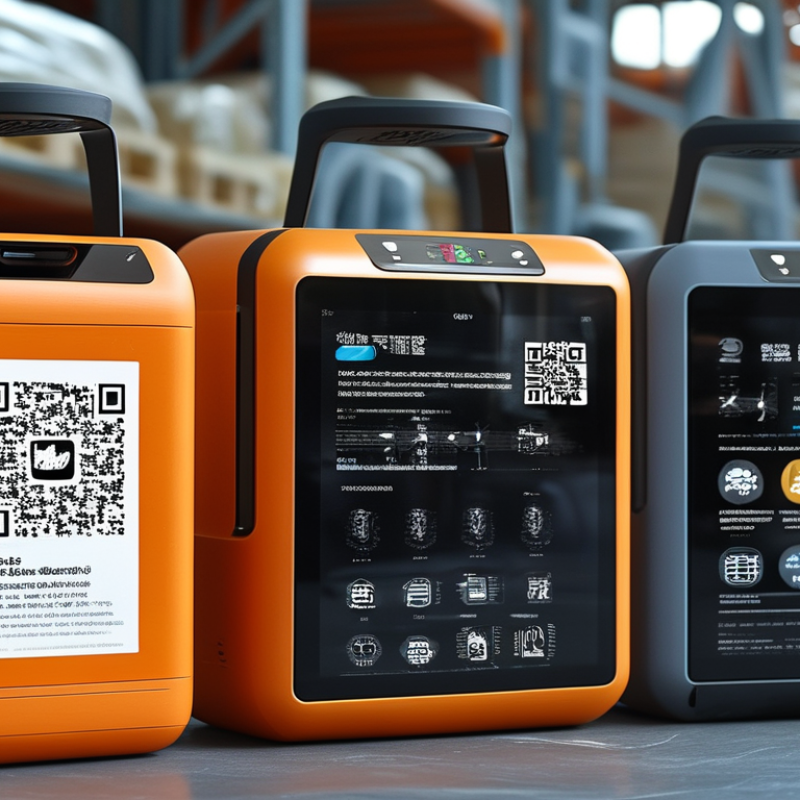
Smart packaging technology is redefining the landscape of the packaging industry in China. This innovation incorporates features such as sensors and QR codes. These elements provide essential information about the product's condition. A report from MarketsandMarkets forecasts that the smart packaging market will reach $41 billion by 2027. As consumer expectations grow, businesses must adapt.
The importance of smart packaging lies in its ability to enhance product safety and reduce waste. For instance, temperature indicators can help prevent spoilage. In the pharmaceutical sector, tamper-evident packaging is crucial. It safeguards public health and boosts consumer confidence. Furthermore, a 2022 study indicated that nearly 55% of consumers prefer products with sustainable packaging. This trend reflects a shift towards eco-conscious consumption.
While smart packaging offers many benefits, challenges persist. The integration of technology can increase costs. Small and medium enterprises may struggle with this investment. Additionally, data privacy concerns arise when using QR codes. Companies must address these issues proactively. The future of smart packaging in China hinges on balancing innovation with consumer trust.
Smart packaging technology is gaining momentum in China. With advancements in IoT and sensor technology, packages can now communicate valuable information. For instance, they can monitor temperature and humidity, ensuring product freshness. This capability is particularly relevant for the food and pharmaceutical industries.
Current trends point to increased adoption of smart labels. These labels offer real-time tracking, which helps enhance supply chain transparency. Businesses are investing in this technology to improve customer experience. However, not all companies fully understand the benefits or integrate them effectively. There is still a gap between awareness and practical implementation.
The shift towards sustainability is also notable. Many companies are exploring eco-friendly materials for smart packaging. This reduces environmental impact and appeals to consumers. Yet, the challenge remains in balancing innovation with cost. Companies are pressured to find cost-effective solutions while meeting consumer expectations. The journey of smart packaging in China holds promise, but it is not without hurdles.
China's smart packaging market is evolving rapidly, driven by advancements in technology and consumer demands. Key players in this field are not only adopting innovative solutions but also enhancing the overall customer experience. According to a recent report, the market for smart packaging in China is expected to grow by approximately 14% annually, reaching a value of over $27 billion by 2025. This growth can be attributed to increased investments in research and development.
Emerging technologies, such as IoT and QR codes, are enabling companies to provide real-time tracking and verification. These innovations help prevent counterfeiting and enhance product safety. The integration of augmented reality (AR) also offers a unique way for brands to engage with consumers, creating a more interactive shopping experience. It’s important for companies to keep pace with these changes and adapt accordingly.
Tip: Stay informed about technological advancements in smart packaging. Engaging with industry reports can reveal valuable insights into emerging trends. Additionally, consider consumer feedback when implementing new features; understanding their needs can lead to better adoption rates. Balancing innovation with practicality is essential in this fast-changing market.
The future of smart packaging technology in China faces significant challenges. One major hurdle is the integration of advanced technologies. According to a report by Smithers, nearly 40% of manufacturers struggle to adopt IoT and AI in their processes. Many companies lack the necessary infrastructure to support these innovations. This gap limits their ability to create effective smart packaging solutions.
Another pressing issue is consumer acceptance. Research from MarketsandMarkets indicates that only 30% of consumers actively seek out smart packaging solutions, largely due to a lack of awareness and education. Companies need to invest in consumer education to boost adoption rates. Addressing privacy concerns is also essential, as many potential users fear data misuse.
Finally, regulatory hurdles pose a challenge. The rapid pace of technology often outstrips current regulations. Adapting to changing laws can lead to increased costs and delays in product launches. Without clear guidelines, manufacturers might hesitate to invest heavily in smart packaging technologies. This creates uncertainty in an already competitive market.
The future of smart packaging technology in China looks promising but is not without challenges. The rapid growth of e-commerce and consumer demand for sustainability is driving innovation in this field. Smart packaging offers real-time tracking, enhanced customer engagement, and improved product safety. These features are crucial for the increasingly complex supply chains in China.
Experts predict that the integration of IoT and RFID technology in packaging will become standard practice. This will allow businesses to monitor the condition of products throughout the supply chain. However, there are obstacles to overcome. For instance, investment in infrastructure and technology remains inconsistent. Additionally, consumer awareness about smart packaging benefits is still developing.
The regulatory landscape is also evolving. Authorities are working on setting standards to ensure safety and effectiveness. Despite these positive developments, market adoption may be slow. Companies must educate both consumers and manufacturers about the advantages of smart packaging. This journey towards widespread acceptance is likely to be gradual and requires collective effort.
| Dimension | Current Status | Future Predictions |
|---|---|---|
| Market Growth Rate | 10% CAGR (2021-2023) | Expected to reach 15% CAGR (2024-2028) |
| Adoption Rate in Retail | 20% of retailers | Projected to increase to 50% by 2025 |
| Consumer Awareness | Moderate | High, with educational campaigns |
| Major Application Areas | Food & Beverage, Electronics | Pharmaceuticals, Personal Care |
| Technological Innovations | RFID, QR Codes | Blockchain, IoT Integration |
| Sustainability Trends | Recyclable materials | Biodegradable and compostable options |
: Smart packaging technology includes sensors and QR codes. It provides vital information about product conditions.
It enhances product safety and reduces waste. For example, temperature indicators can help prevent spoilage.
Tamper-evident packaging in pharmaceuticals safeguards public health. This boosts consumer trust in products.
A 2022 study revealed nearly 55% prefer sustainable options. This trend aligns with eco-conscious consumption.
High integration costs are a significant challenge. Small enterprises often struggle with these expenses.
Research shows only 30% of consumers seek smart solutions. Lack of awareness limits adoption rates.
Many consumers worry about data misuse with QR codes. Companies need to address these concerns effectively.
Rapid technology evolution often outpaces regulations. This creates uncertainty and could delay product launches.
Many lack the necessary infrastructure to support IoT and AI. This limits their capabilities in smart packaging.
Unclear regulations and high costs create hesitation. This uncertainty affects their willingness to innovate.
Smart packaging technology, which integrates advanced features like sensors and connectivity into packaging solutions, is increasingly recognized for its importance in enhancing supply chain efficiency and consumer experience. In China, current trends indicate a rapid adoption of smart packaging, driven by advancements in technology and growing consumer demand for transparency and sustainability.
However, the development of this sector faces challenges, including high costs and technological complexities. As for what is the future of smart packaging technology in China, predictions suggest a significant growth trajectory, with increasing investments and innovations that can address current limitations, thus paving the way for more extensive applications in various industries such as food, pharmaceuticals, and logistics.

Selltrion Packaging