The quality of printing on packaging materials significantly impacts product appeal and brand perception. According to a report by Smithers Pira, over 60% of consumers make purchasing decisions based on packaging design. This statistic emphasizes the importance of understanding what affects printing quality on packaging. Industry expert Dr. Emily Wang notes, “The interplay of substrate choice, ink formulation, and printing technology directly determines the outcome of printed packages.”
Different factors can compromise printing quality, such as improper ink viscosity or inadequate drying times. A common issue is color consistency, which can vary significantly between print runs. This inconsistency can lead to consumer distrust, affecting brand loyalty. Furthermore, environmental conditions during printing can also play a critical role.
In a competitive market, brands must continually reflect on these challenges. Research shows that 30% of packaging failures can be traced back to printing errors. Thus, understanding what affects printing quality on packaging isn't just beneficial—it’s essential for brand success. By addressing these concerns, companies can enhance their packaging aesthetics and durability, leading to better customer engagement.
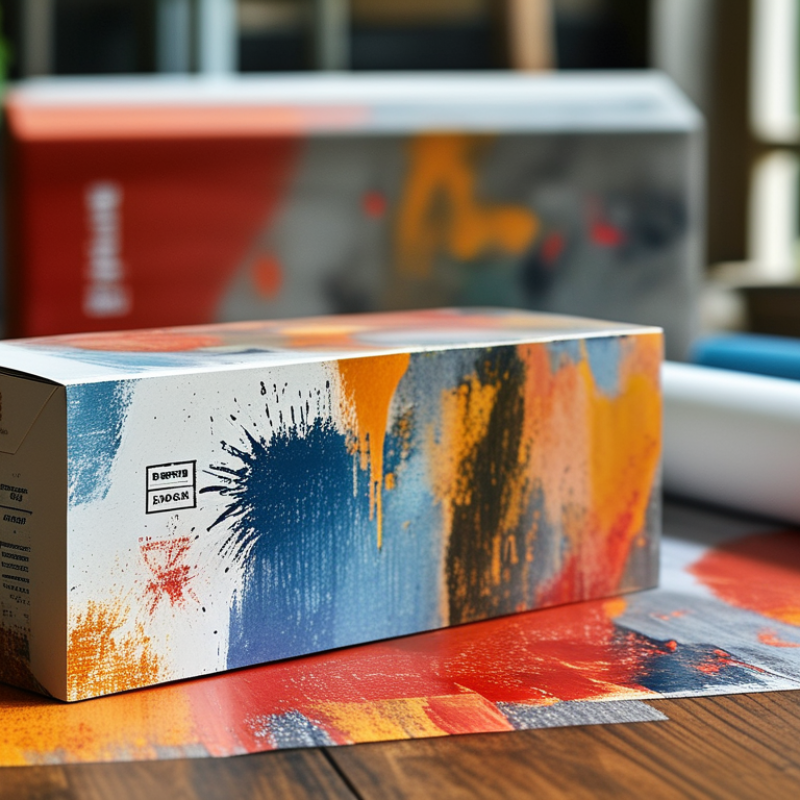
Factors Impacting Ink Quality in Packaging Materials
Ink quality is a critical factor affecting the overall printing quality on packaging materials. Different inks have unique properties that influence how well they adhere to various surfaces. For instance, water-based inks often provide excellent adhesion on porous substrates. However, they may struggle with glossy finishes. This mismatch can lead to smudging or fading in designs.
The chemical composition of the ink plays a significant role as well. Inks with high pigment concentrations typically offer more vibrant colors but may also present challenges in drying time. If the drying process is inadequate, design elements can blend together. This unwanted effect reduces the clarity of printed images and text.
Environmental factors also impact ink quality. Humidity and temperature can change how ink behaves on a surface. High humidity might cause ink to dry slowly, resulting in streaks. Unpredictable conditions can lead to inconsistent printing quality. It’s essential for manufacturers to control their working environment to achieve the desired results consistently. Even the best inks can perform poorly without proper conditions.
Influence of Substrate Types on Printing Outcomes
When considering the quality of printed packaging, the type of substrate plays a crucial role. Different materials, like paper, plastic, and metal, each interact uniquely with inks and printing techniques. For example, glossy finishes can enhance color vibrancy but may also create inconsistencies in ink adhesion. In contrast, matte surfaces often yield softer hues but might absorb ink unevenly.
Choosing the right substrate requires careful thought. Test printing on various materials is essential. Fine-tuning ink formulations can also help optimize results. Sometimes, experimenting with different coatings can reveal unexpected outcomes. Not every combination will work perfectly. Be prepared for trial and error.
Tips: Always prioritize your design elements. Simple designs may translate better across various substrates. Consider how the texture impacts the end-user's experience. Lastly, gathering feedback from printing professionals can lead to fresh insights. This can prevent costly mistakes and improve overall quality. Keep exploring new substrate options to enhance your packaging quality.
What Affects Printing Quality on Packaging Materials? - Influence of Substrate Types on Printing Outcomes
| Substrate Type |
Print Resolution (dpi) |
Ink Type |
Color Accuracy (%) |
Finish Type |
Cost (USD/sqm) |
| Cardboard |
300 |
solvent-based |
85 |
matte |
2.00 |
| Plastic (Polyethylene) |
600 |
UV-cured |
90 |
glossy |
3.50 |
| Metallic Foil |
1200 |
eco-solvent |
95 |
metallic |
5.00 |
| Paper (Recycled) |
300 |
water-based |
80 |
matte |
1.50 |
| Cardstock |
600 |
latex |
88 |
semi-gloss |
2.50 |
Role of Print Technology in Determining Quality
The choice of print technology is crucial in determining the quality of packaging materials. Various technologies, such as flexography, digital printing, and gravure, each have distinct strengths and limitations. Flexography is known for its efficiency in large runs but can struggle with intricate designs. Digital printing allows for high customization but may face issues with color consistency. Understanding the specific needs of packaging can help in selecting the appropriate printing method.
Tips: Assess the complexity of your design before choosing a technology. Simpler designs may benefit from flexography, while detailed graphics might require digital printing. Test prints can aid in visualizing potential issues early.
Material selection also plays a role in print quality. Some substrates absorb ink differently, affecting clarity and vibrancy. For instance, a matte finish may not display colors as brightly as a glossy surface. It's essential to choose materials that complement the chosen printing method.
Tips: Conduct trials on various substrates to see which yields the best results. Monitor how ink interacts with different materials. This can reveal potential print imperfections that may arise during full production runs. Be prepared to adjust processes as needed.
Environmental Conditions Affecting Printing Performance
Environmental conditions significantly influence printing performance on packaging materials. Factors such as temperature, humidity, and lighting play crucial roles. High humidity can lead to ink smudging. Low humidity, on the other hand, may cause static that disrupts the printing process. These conditions directly affect ink absorption and drying times.
Temperature fluctuations can also hinder quality. For instance, cold temperatures might slow down the drying process, resulting in longer wait times and potential contamination risks. Proper climate control is essential for achieving optimal results. Many facilities overlook these environmental aspects, leading to inconsistent quality and waste.
Furthermore, lighting conditions can affect color perception during prints. Poor lighting may result in misjudged color calibrations. This discrepancy can impact the final product's aesthetic appeal. Regular assessments of these environmental factors are necessary for maintaining high printing standards. Businesses should invest time in refining these elements to enhance overall printing quality.
Post-Printing Processes and Their Effect on Final Quality
In the world of packaging, post-printing processes play a crucial role in determining the final quality of printed materials. These processes include drying, curing, and finishing techniques. Each step significantly impacts how colors appear and how the printed surface feels. For instance, inadequate drying can lead to smudging or color bleed, compromising the overall look.
The choice of finishing methods also matters. Techniques such as lamination or varnishing enhance durability but can complicate recycling efforts. If not done carefully, these methods may also alter the colors, leading to unexpected results. The inconsistency in execution can create variations across production batches, raising quality concerns.
Moreover, the materials selected for packaging can influence the effectiveness of post-printing processes. Some substrates absorb ink differently, and their compatibility with finishing options is not always clear. A mismatch can result in a subpar product, highlighting the need for thorough testing. These reflections remind us that to achieve the desired packaging quality, attention to detail in every post-printing step is essential.
FAQS
: Ink quality depends on adhesion, chemical composition, and environmental conditions.
They adhere well to porous substrates but may smudge on glossy finishes.
Improper drying can cause blending of design elements, affecting clarity.
Different technologies have strengths and weaknesses that influence print quality.
Assess your design complexity and select a technology accordingly.
Different materials absorb ink differently, impacting color vibrancy and clarity.
Drying and finishing steps significantly influence appearance and surface feel.
Testing reveals how inks interact with different substrates to prevent issues.
They may alter colors unexpectedly, raising concerns about product consistency.
Humidity and temperature fluctuations can lead to inconsistent printing results.
Conclusion
The quality of printing on packaging materials is influenced by several key factors. First, the quality of the ink used plays a crucial role; various ink compositions can significantly affect the vibrant appearance and durability of printed designs. Additionally, the type of substrate, which can range from paper to plastic and cardboard, also impacts the final print outcome, as different materials interact uniquely with inks.
Furthermore, the print technology employed—whether digital, flexographic, or gravure—determines the precision and quality of the print. Environmental conditions like humidity and temperature during the printing process can affect ink adhesion and drying times, further influencing the quality. Lastly, post-printing processes such as cutting, laminating, and packaging play a vital role in ensuring that the final product meets quality standards. Understanding what affects printing quality on packaging is essential for achieving Superior results in the printing industry.

 Selltrion Packaging