Designing an efficient production line is crucial for global buyers. A well-structured line increases productivity, reduces waste, and enhances product quality. When considering how to design an efficient production line, understanding the specific needs of your target market is essential. This involves analyzing workflow, machinery, and human resources.
Attention to detail is key. Every component should be optimized for speed and effectiveness. For example, layout design plays a pivotal role in minimizing movement and maximizing efficiency. However, this is easier said than done. Challenges arise, such as finding the right balance between automation and manual labor. Each choice can have significant implications on output and overall cost.
Additionally, continuous assessment is vital. Production lines may need adjustments to adapt to changing demands and technologies. It’s not always a smooth process. Reflecting on past experiences can provide insights into potential pitfalls. In summary, designing an efficient production line requires both strategic planning and flexibility.
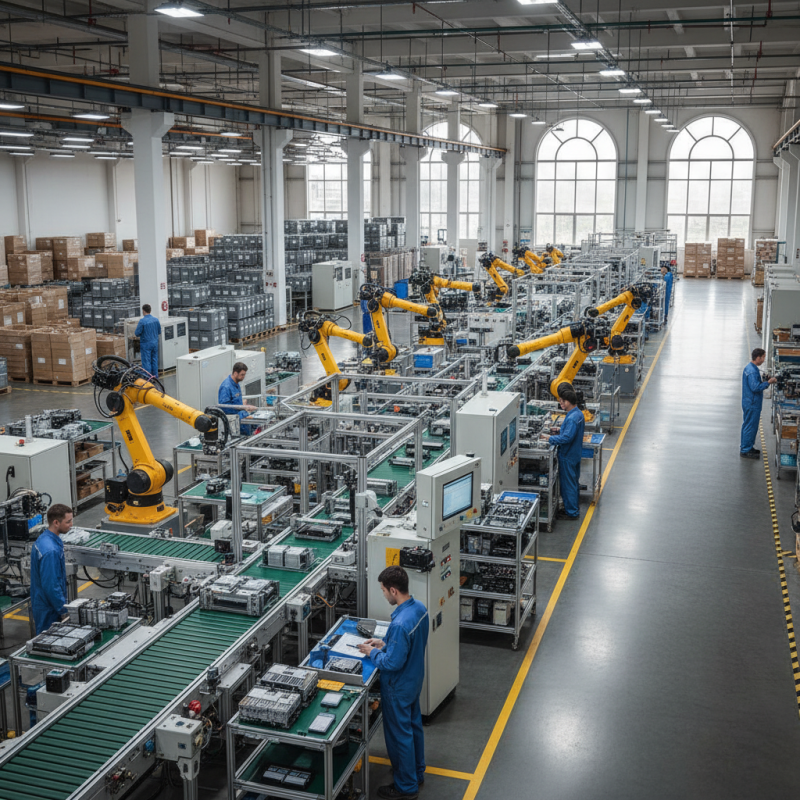
Understanding the Needs of Global Buyers in Production Design is essential for creating an efficient production line. Global buyers prioritize factors like quality, cost, and lead time. A study by McKinsey indicates that 40% of businesses consider production efficiency a critical driver of their supply chain success. This data highlights the importance of aligning the production process with buyer expectations.
To meet these diverse needs, manufacturers should conduct thorough market research. Identifying local trends and consumer preferences can guide production decisions. It allows companies to adapt quickly, ensuring satisfaction. Regular feedback from clients can help refine designs. This should be an ongoing process rather than a one-time effort.
Tips: Regularly assess lead times, as buyers often expect rapid deliveries. Engage with local distributors for insights on regional demands. Implement a flexible design strategy to accommodate changing buyer preferences. A reliable feedback loop not only fosters trust but allows for adjustments that can improve overall efficiency. However, it's crucial to remain mindful of potential trade-offs; sometimes, compromises in one area can lead to gains in another.
Designing an efficient production line requires careful consideration of several key principles. One important aspect is layout optimization. A well-planned layout reduces movement and transportation time. This facilitates a smoother workflow and minimizes bottlenecks. Analyze the specific tasks and process flows involved. This insight enables better arrangement of equipment and workstations.
Another principle is flexibility in the production process. Products may vary in size and demand fluctuates. An adaptable production line can quickly switch tasks without significant downtime. This adaptability requires investment in training and equipment. Regularly assess the capabilities of your team and technology. This reflection ensures your production line remains agile.
Quality control must also be integrated into the design. Implementing checks at each stage reduces defects and waste. Engaging workers in the quality assurance process fosters ownership and accountability. Involving employees in problem-solving can illuminate areas for improvement. Production lines should be dynamic and open to continuous evolution. Encouraging feedback will help identify inefficiencies.
In today’s manufacturing landscape, integrating technology is key to enhancing production efficiency. Automation tools can streamline repetitive tasks and minimize human error. For example, using robotics in assembly lines can speed up processes significantly. Smart sensors monitor equipment health, ensuring minimal downtime.
Tips: Consider evaluating current workflow before implementing new technologies. Identify bottlenecks and areas for improvement. This will guide your technology choices effectively.
Data analytics plays a crucial role in refining operations. By analyzing production metrics, businesses can make informed decisions to optimize resource allocation. Cloud-based platforms can improve collaboration, providing real-time updates to all stakeholders.
Tips: Ensure your team is trained on any new systems. This can prevent disruptions and foster a smoother transition. Regularly review technology effectiveness to identify necessary adjustments.
The pace of change in technology requires ongoing reflection. Not every integration works perfectly on the first try. Continuous testing and feedback loops help identify flaws early. Be prepared to pivot and adapt based on real-time results.
Designing an efficient production line for global buyers requires a keen understanding of workflow optimization. Ensuring adherence to international standards is crucial. It involves analyzing each step of the production process. Reassessing equipment layout and personnel roles can reveal inefficiencies. Often, minor adjustments can yield significant improvements.
Tips: Regularly audit your workflow. Identify bottlenecks in the process. Engage your team for insights. They often spot issues you may overlook.
Utilizing technology can enhance productivity. Automation tools streamline repetitive tasks, allowing human resources to focus on skilled activities. However, over-reliance on technology can lead to gaps in critical thinking. Balancing automation with human input is essential for maintaining quality.
Tips: Train staff on both manual and automated systems. Encourage cross-training to build versatility. Assess the impact of new technologies continuously.
It’s important to consider feedback loops in your design. Production lines should adapt to changes in demand and quality requirements. Be ready to adjust processes based on data and performance metrics. A rigid approach can stifle innovation and responsiveness. Embrace flexibility in your production strategy to meet the dynamic needs of global markets.
Creating an efficient production line requires a focus on continuous improvement. Key to this is constant evaluation. Regular assessments help identify bottlenecks. For instance, a line may seem efficient but struggle at peak times. Using data analytics can reveal these trends. Real-time monitoring can enhance decision-making.
Engaging employees is vital. They are on the front lines and often witness problems firsthand. Encouraging feedback creates a culture of improvement. An open dialogue can surface innovative ideas. However, not all suggestions will work. It’s essential to evaluate and refine them thoroughly.
Implementing lean manufacturing principles is another best practice. Streamlining processes reduces waste and increases productivity. Still, the journey is not always smooth. Resistance to change can occur. Addressing concerns and explaining benefits can mitigate pushback. Continuous training is necessary to keep everyone aligned with new standards. Every small change can significantly impact overall efficiency.
: Global buyers focus on quality, cost, and lead time. These elements drive their purchasing decisions.
Conduct thorough market research to identify trends and preferences. Regular feedback from clients is essential for adjustments.
Technology enhances efficiency by streamlining tasks and reducing human error. Automation can significantly speed up production processes.
Regular audits of the workflow can reveal inefficiencies. Engaging team members for insights can improve processes.
Data analytics helps businesses make informed decisions and optimize resource allocation. Analyzing production metrics is crucial.
Evaluate the current workflow to identify bottlenecks and areas for improvement. This ensures effective technology choices.
Feedback loops help adapt to changing demands and improve quality. A rigid approach may hinder innovation and responsiveness.
Team training on new technologies minimizes disruptions. It helps foster smoother transitions and enhances productivity.
Not all integrations will work perfectly. Continuous testing and willingness to adapt based on results are vital.
Over-reliance on technology can create gaps in critical thinking. A balanced approach ensures maintenance of quality and productivity.
Designing an efficient production line is critical for meeting the demands of global buyers. To successfully achieve this, it is essential to first understand the specific needs and preferences of international customers. The design process should incorporate key principles that emphasize flexibility, scalability, and cost-effectiveness. Additionally, integrating advanced technology can further enhance production efficiency, enabling real-time monitoring and automation.
Optimizing workflow is another vital aspect, ensuring that processes align with international standards and minimize downtime. Best practices for continuous improvement should be implemented to adapt to changing market dynamics and enhance overall productivity. By exploring these facets of how to design an efficient production line, businesses can better position themselves to compete in the global market while satisfying consumer expectations.

Selltrion Packaging