In today's fast-paced manufacturing environment, how to improve filling speed without losing accuracy is a challenge many face. Companies strive to enhance efficiency while ensuring product quality. Balancing these two aspects is crucial to maintaining customer satisfaction and competitiveness.
One approach involves assessing existing filling processes. Analyzing workflow can reveal bottlenecks and inefficiencies. Employing advanced technologies, such as automated filling systems, may help increase speed. However, increasing speed often risks compromising precision. It's vital to find solutions that harmonize these elements.
Regular training of staff is another factor that contributes to this balance. Skilled operators can make quick decisions that optimize both speed and accuracy. However, mistakes may still occur. Continuous evaluation and reflection on practices are necessary for improvement. Refining processes ensures both productivity and reliability remain intact.
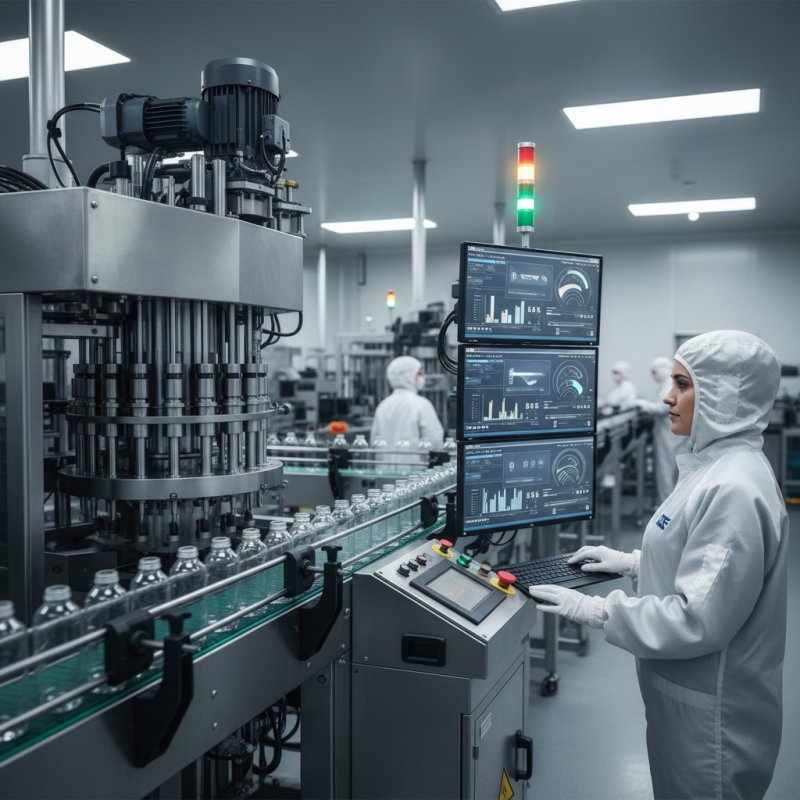
Filling speed and accuracy are crucial in various industries, particularly food and beverage, pharmaceuticals, and cosmetics. High filling speed increases productivity, yet it often risks compromising accuracy. These two elements must strike a balance to maintain quality and safety. For example, an increase in speed may lead to underfilled or overfilled products, causing waste and customer dissatisfaction.
Accuracy ensures product consistency, enhancing brand trust. Manufacturers must use precise measuring tools to achieve this. Implementing technology can aid in improving both aspects. Automated systems can adjust filling rates based on real-time data, leading to optimal performance. However, over-relying on technology can pose risks. Human oversight remains vital, as machines can misinterpret data.
The importance of training staff is often overlooked. Skilled operators are essential for monitoring discrepancies. Regular calibration of equipment can prevent errors arising from machine wear and tear. This requires a proactive approach, ensuring every step maintains high standards. Mistakes are opportunities for growth. Identifying issues promptly can lead to a more nuanced understanding of the process, ultimately improving outcomes.
When aiming to boost filling speed while ensuring accuracy, the focus should be on the key factors that influence both. Data shows that 20% of bottlenecks stem from equipment settings that are suboptimal. Small discrepancies in weight can lead to significant material waste. According to a recent study by the International Society of Filling Technologies, optimizing equipment calibration can reduce errors by up to 15%.
Operator training also plays a critical role. Research indicates that line workers with proper training can enhance speed by 25% without compromising accuracy. However, a lack of ongoing education can lead to stagnation. Continuous training fosters a culture of efficiency, but many facilities overlook this facet.
Another factor is environmental conditions. For example, temperature and humidity can affect many filling materials. Reports reveal that control over these conditions can improve filling precision by 20%. Yet, not all facilities invest in proper climate control, which can impact both speed and accuracy. Addressing these variables is essential for operational success.
| Key Factor | Impact on Filling Speed | Impact on Accuracy | Optimization Method |
|---|---|---|---|
| Nozzle Design | High | Medium | Use streamlined shapes |
| Filling Pressure | High | High | Optimize pressure settings |
| Fill Height Calibration | Medium | High | Regular calibration checks |
| Liquid Viscosity | Medium | Medium | Use heating systems |
| Filling Speed Setting | High | Low | Adjust speed carefully |
Enhancing filling efficiency is crucial for the manufacturing industry. Recent studies show that optimizing technology can increase filling speed by up to 25%. This boost is essential for meeting growing market demands while maintaining product quality. Precision in filling is not just about speed; it’s about ensuring each container is filled accurately to avoid waste and customer dissatisfaction.
Implementing advanced filling machines with AI capabilities can dramatically improve accuracy. AI technologies analyze data in real-time, adjusting parameters instantly to maintain precise measurements. This adaptability reduces errors that can slow down production lines. For instance, a leading industry report highlighted that companies using automated systems saw a 30% increase in operational efficiency.
Tip: Regularly maintain your filling equipment. Small issues can escalate quickly, disrupting the entire production process.
Moreover, integrating IoT devices can provide insights into filling processes. Real-time monitoring helps identify inefficiencies and bottlenecks. A lack of awareness about these issues could impact overall productivity. As machines become smarter, a balance between speed and accuracy must be continuously evaluated.
Tip: Train staff on new technologies. Their expertise ensures smooth integration and better performance.
In filling operations, training the workforce is crucial for improving speed and accuracy. Employees need regular training to handle machinery efficiently. Everyone should understand the purpose behind their tasks. This ensures they can adapt quickly to any changes in the process or equipment.
One tip is to implement hands-on training sessions. Real-life practice allows workers to develop their skills better than theoretical knowledge alone. It's beneficial to use simulators or controlled environments for this purpose. Continuous feedback during training encourages improvement. Utilize a buddy system, where experienced workers mentor newcomers. This creates a supportive environment for learning.
Another practical approach is to develop clear guidelines and standard operating procedures. Visual aids, like checklists or flowcharts, can enhance understanding. Additionally, conducting regular assessments helps identify areas needing further training. Mistakes should be viewed as learning opportunities. Reflecting on errors leads to better practices. With focused efforts, organizations can boost filling speed while maintaining accuracy in their operations.
Monitoring and analyzing performance metrics is crucial for improving filling speed without sacrificing accuracy. These metrics provide insights into the entire filling process. They help identify bottlenecks and inconsistencies. Keeping an eye on the average fill time and error rates can reveal areas needing attention. Regularly reviewing these metrics helps ensure that any changes lead to real improvements.
Using data analytics tools can enhance this monitoring process. Real-time tracking gives instant feedback on performance. If a line slows down, immediate adjustments can be made. While using technology, it’s important to validate the accuracy of the data collected. Inconsistent data can lead to misguided conclusions. Ensuring the integrity of metrics is vital for making informed decisions.
Continuous improvement requires a reflective approach. Team meetings focused on recent performance data can uncover underlying issues. Employees’ input on observed challenges is invaluable. These discussions may reveal that training gaps exist or specific equipment needs calibration. Recognizing areas for growth is essential for any effective improvement strategy.
: They enhance productivity and ensure product quality in food, pharmaceuticals, and cosmetics.
Faster speeds can lead to underfilling or overfilling, causing waste and customer dissatisfaction.
Consistent products build consumer confidence and loyalty, ensuring quality and safety.
Precise measuring tools and automated systems can optimize filling processes.
Technology helps adjust filling rates, but over-reliance can lead to misinterpreted data.
Skilled operators monitor discrepancies, ensuring equipment functions properly and reducing errors.
They identify bottlenecks and error rates, revealing areas needing improvement and focus.
Validate data sources to avoid misguided conclusions and ensure informed decision-making.
Regular team meetings and employee feedback help identify training gaps and equipment needs.
Viewing mistakes as opportunities and actively reflecting can lead to enhanced processes.
In today's competitive landscape, understanding how to improve filling speed without losing accuracy is crucial for achieving operational excellence. This article emphasizes the significance of both filling speed and accuracy, highlighting that they are interconnected factors that directly impact productivity and quality. Key elements affecting these metrics include equipment efficiency, workflow design, and the skill level of the workforce.
Implementing advanced technology, such as automated filling systems and real-time monitoring tools, can significantly enhance filling efficiency. Additionally, investing in comprehensive training for staff on best practices ensures that they are well-equipped to operate machinery effectively while maintaining precision. Finally, regular monitoring and analysis of performance metrics facilitate continuous improvement, enabling organizations to adapt swiftly and stay ahead in a dynamic market. By focusing on these strategies, companies can streamline their filling operations, achieving higher speeds without compromising on accuracy.

Selltrion Packaging