The demand for automated packaging solutions is surging across various sectors. As e-commerce continues to expand, businesses grapple with the complexities of fulfilling consumer expectations. Recent reports indicate that automated packaging could enhance efficiency by nearly 30%. This shift is crucial for industries struggling with labor shortages or rising operational costs.
What industries need automated packaging solutions? This question is vital in understanding market trends. The food and beverage sector has seen a significant uptick in adopting automation. It aims to streamline processes while maintaining product safety and quality. Similarly, the healthcare industry is increasingly investing in automated packaging to ensure compliance with stringent regulations.
Automation isn’t without challenges. Some companies hesitate to invest due to initial costs or integration concerns. Nonetheless, the long-term benefits often outweigh these initial hurdles. Adopting automated solutions can lead to increased productivity and reduced waste. Companies must assess their unique needs and project future growth to truly capitalize on automation.
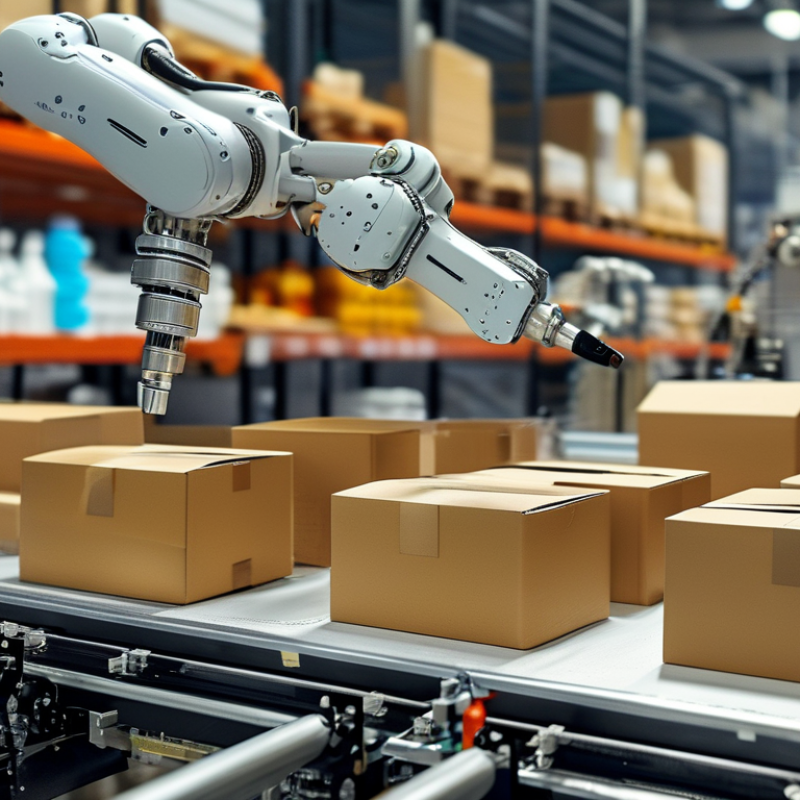
E-commerce has drastically changed the packaging landscape. The surge in online shopping has increased demand for efficient packaging solutions. Companies now face the challenge of meeting consumer expectations for speed and sustainability. Fast delivery requires innovative packaging that can protect products during transit while being environmentally friendly.
With this growth, businesses must assess their automation needs. Automated packaging systems can help fulfill orders more quickly. These systems reduce labor costs and minimize errors. However, not all companies are ready to embrace automation. There are concerns about the initial investment and the learning curve involved. Some businesses may find it difficult to integrate automation into their existing processes.
As the industry evolves, companies must stay agile. Those who adapt to e-commerce demands will thrive. Yet, choosing the right automated solutions is not straightforward. Every brand has unique requirements. The quest for efficiency also requires constant reevaluation of packaging strategies. Businesses must find a balance between cost, speed, and sustainability.
The food and beverage industry is undergoing significant transformations, with automation becoming increasingly essential. According to a recent report from Mordor Intelligence, the global automated packaging market is expected to grow at a CAGR of 14.6% from 2023 to 2028. This shift is driven by the rising consumer demand for convenience, sustainability, and efficiency. Companies are now prioritizing innovative packaging solutions that can meet these demands while minimizing waste.
Sustainable packaging is crucial. Many consumers are actively seeking environmentally friendly options. A study revealed that 74% of millennials prefer sustainable packaging. Automated solutions offer the ability to use materials more efficiently and reduce excess. This not only appeals to eco-conscious consumers but also enhances brand image.
Consider integrating smart technology into packaging systems. This can improve tracking, inventory management, and supply chain transparency. By using automation, businesses can respond to market shifts quickly. However, the reliance on technology may pose risks. Systems require regular maintenance and updates. A failure in technology can lead to disruptions, affecting both production and delivery timelines.
Investing in automated packaging can be a game-changer. However, companies must weigh potential downtime against gains in efficiency. A balanced approach can help navigate challenges while embracing new trends in the food and beverage sector.
The pharmaceutical industry is witnessing a surge in demand for automated packaging solutions. This shift is driven by the need for efficiency and accuracy in drug delivery. Packaging plays a crucial role in ensuring product integrity and patient safety. Manual processes often lead to errors, risking contamination or mislabeling.
Automation can streamline these processes. It reduces human error and increases throughput. Automated systems can accurately sort, label, and package a variety of products. Additionally, they can adapt to changes in production demands. However, implementing these systems requires significant investment and training. The complexity of pharmaceutical packaging can pose challenges. Companies must evaluate their specific needs to find suitable solutions.
The focus on automation also raises concerns. There is a risk of over-reliance on technology. Staff may feel uncertain about their roles. Continuous training and adjustment will be needed to keep teams engaged. Despite these challenges, embracing automation is essential for future growth in the pharmaceutical sector. Balancing technology with human oversight could lead to increased efficiency and productivity.
The retail industry is increasingly embracing automated packaging solutions to enhance sustainability. With a growing focus on reducing environmental impact, packaging automation plays a crucial role. For example, automated systems can optimize material usage, minimizing waste. Moreover, they enable precision in packaging, ensuring that products fit their boxes perfectly.
Many retailers face challenges in balancing speed and sustainability. Manual packaging processes often lead to excess material consumption. However, automated solutions can adapt to various product dimensions seamlessly. This efficiency not only reduces waste but also lowers shipping costs. Retailers are noticing that sustainability and efficiency can go hand in hand.
Still, not all automated solutions meet sustainability goals. Some may require energy-intensive processes or use non-recyclable materials. Retailers must thoroughly evaluate their options. They must seek innovations that prioritize eco-friendliness while maintaining productivity. The path to sustainable automated packaging isn't without hurdles, but the potential benefits make it a worthy pursuit.
| Industry | Automation Demand Level | Sustainability Focus | Growth Rate (2023-2026) |
|---|---|---|---|
| Food and Beverage | High | Recyclable Materials | 6% |
| E-commerce | Very High | Minimized Packaging Waste | 8% |
| Pharmaceuticals | Medium | Sustainable Sourcing | 5% |
| Cosmetics | High | Eco-friendly Packaging | 7% |
| Consumer Electronics | Medium | Energy-efficient Processes | 4% |
Automated packaging solutions have become essential for many industries in 2026. Cost efficiency is a primary driver behind this shift. Companies face rising labor costs and the need for faster production times. Automated systems can significantly reduce the reliance on manual labor. This adaptability allows businesses to maintain productivity even during labor shortages.
Choosing the right automated solution can be daunting. It requires careful evaluation of the specific needs of your business. Consider scalability. Systems that can grow with your production demands are valuable. Efficiency in packaging can lead to less waste and higher profit margins.
Investing in employee training is also crucial. Workers should feel comfortable interacting with new technologies. Resistance to change can hinder productivity. Encourage open dialogue about automation. Involve your team in the transition for better acceptance. Addressing these challenges early can smooth the implementation process.
: E-commerce has increased the urgency for efficient and sustainable packaging solutions. Companies must adapt to fast delivery demands.
Automated packaging systems can reduce labor costs and errors. They help fulfill orders swiftly, boosting productivity.
No, many companies hesitate due to the initial investment. There’s also a learning curve that can be challenging.
Consumers, especially millennials, prefer environmentally friendly options. Sustainable packaging helps enhance brand image and reduce waste.
Smart technology improves tracking and inventory management. However, it requires regular maintenance and can pose risks if it fails.
Companies should invest in employee training and encourage open dialogue. Involving the team can ease resistance to automation.
Companies must evaluate their unique needs and choose scalable systems. Balancing efficiency and cost is often difficult.
Automation reduces reliance on manual labor, crucial during shortages. However, it may lead to initial resistance from employees.
The automated packaging market is projected to grow at a CAGR of 14.6% from 2023 to 2028.
Address challenges early and ensure effective team involvement. A balanced, thoughtful approach is key to smooth implementation.
The article titled "2026 Best Industries That Need Automated Packaging Solutions" explores the critical sectors where automation in packaging is becoming increasingly essential. One major driver is the rapid growth of e-commerce, which demands efficient packaging to keep up with consumer expectations for speed and convenience. Additionally, the food and beverage industry is innovating its packaging strategies to meet evolving consumer preferences, while the pharmaceutical sector experiences an expanding need for enhanced automation in its packaging processes to ensure safety and compliance.
Furthermore, sustainability trends are pushing retailers towards automated packaging solutions that minimize waste and environmental impact. Lastly, cost efficiency and labor challenges further emphasize the necessity for automated packaging solutions across various industries. Collectively, these factors highlight what industries need automated packaging solutions to remain competitive and responsive in a dynamic market landscape.

Selltrion Packaging